Ant repellent spray: how herbal and chemical sprays differ and where to use them at home
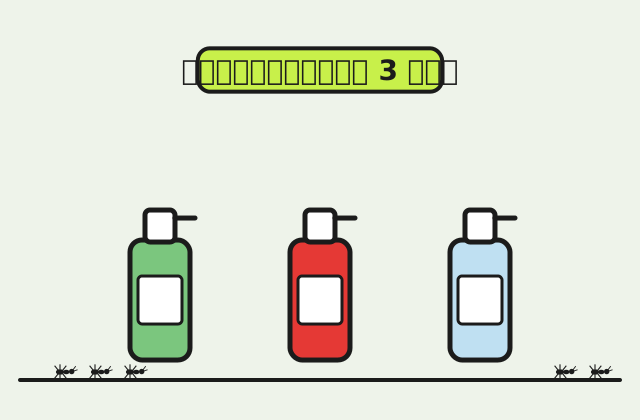
 KAI67 anti-ant pad, large 30x42 cm฿148 · 1 pad · Order via LINE or fill in the form
Order ฿148LINE @814ddrza
Swipe for the next topic · 9 topics
How do herbal and chemical ant repellent spray types differ?
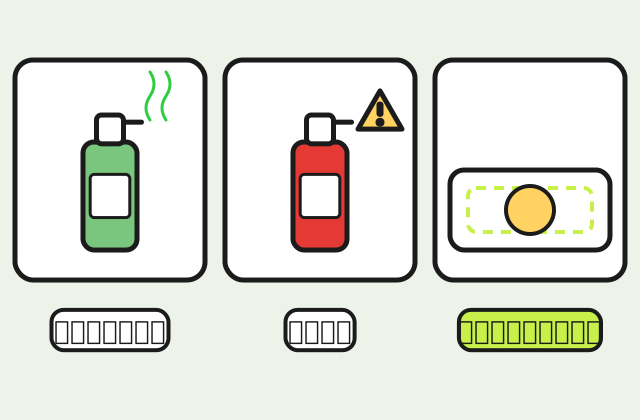
Herbal sprays, often sold as organic, usually use essential oils or plant extracts such as citronella, mint or orange peel. The strong smell covers the scent trail ants leave for each other, so ants reaching the sprayed line lose their way and turn aside. Most do not kill the whole line, and the smell fades before long, so you have to spray again.
Chemical sprays contain an insecticide as the main ingredient and act on the ants the mist touches. Some formulas leave a residue on surfaces for the period stated on the label. In Thailand, household insecticides must be registered with the Food and Drug Administration and carry a registration number on the label; details on registration are on the Thai FDA website.
An anti-ant pad is not a spray, but people compare them because they are used in the same places: food and pet bowls. The pad goes under the item and stops ants at its edge, with nothing sprayed near the food. So the three do not compete head to head; each suits a different spot, as the next sections explain.
Why do ants come back after using ant repellent spray?
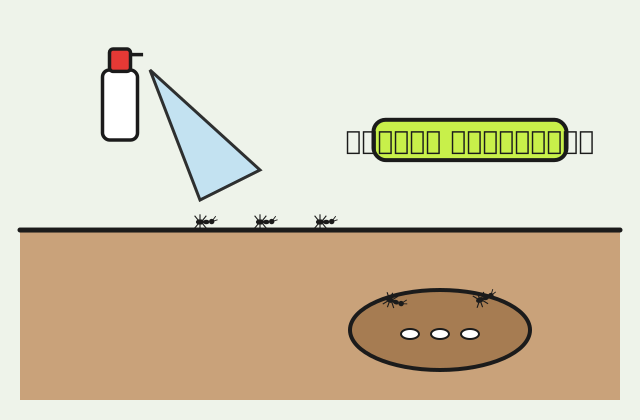
The ants you see in a line are only a small part of the colony. The ones out foraging are a group of workers, while the queen, eggs, larvae and many more workers stay in a nest hidden in the wall, under tiles or in the soil. Spraying deals only with the ants the mist touches, and the nest keeps sending out new workers.
The other reason is that whatever drew the ants is still there. If the counter still has a sugary smear, the bin has no lid, or the cat bowl sits out all day, the next group of ants will find it again. Spraying without clearing the food is like wiping away footprints but leaving the door open.
If ants return to the same place within a few days of spraying, switch from spraying to finding the source. Follow the line back until you find the crack or gap they use, then consider bait that workers carry back to the nest. The difference between baiting and blocking is explained in ant bait vs anti-ant pads.
Does an orange peel or herbal ant repellent spray really work?
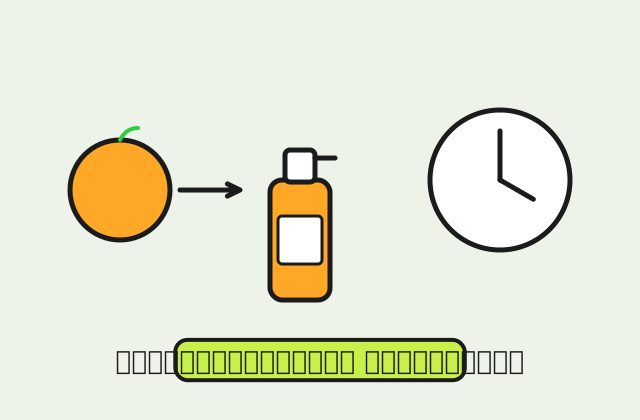
It works in the sense that ants avoid a line with a strong smell at first, because the oil from orange peel or herbs masks their scent trail. The effect does not last. Once the smell has evaporated, ants can use the old route again if food is still waiting at the end. Think of it as a way to wipe out the trail, not a way to get rid of ants.
Homemade sprays from orange peel or herbs vary in strength from house to house, and no recipe gives a guaranteed result. If you want to try one, test it on a hidden spot first, because citrus oil can mark wood and some other surfaces, and never spray it on food. For other natural methods you can use alongside it, see natural ant repellent.
Words like herbal or organic on the bottle do not mean harmless in every case. Some essential oils irritate the skin or airways, and some call for care around certain pets, especially cats. If you have pets, ask your vet before using strongly scented products in rooms where the animals live.
What should you check on the label of a convenience-store spray?
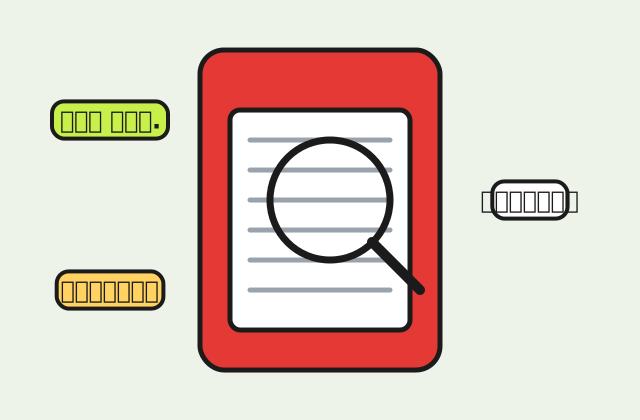
Many people grab a spray from the convenience store near home because it is easy. Before paying, check whether it repels or kills, whether it is for indoor use or only outdoors, which insects it is for, and, for an insecticide, whether it carries the Thai FDA hazardous substance registration number on the label. If you cannot find a registration number, choose another product.
Read the directions in full. The label tells you the spraying distance, the surfaces it can be used on, how long to stay out of the room and how long to air it. The warnings tell you whether it must be kept away from food, dishes or particular animals. These details differ between formulas, so we do not give one set of numbers for every brand; follow the label on the bottle in your hand.
We do not rank ant repellent spray brands here, because we have not tested them ourselves, and real results depend more on the kind of ant and the spot than on the brand. If you are not sure whether a spray is suitable for a room with children or pets, call the maker’s number on the label or ask a pharmacist.
Where at home should you never spray, and why?
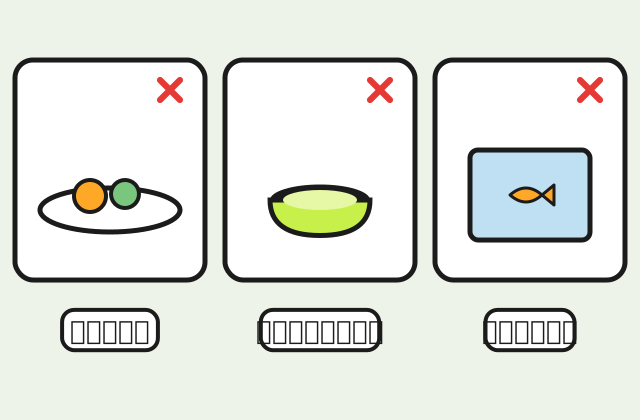
First, anywhere with food, food containers or food preparation surfaces, including rice, sugar jars and chopping boards. If ants reach these, move the items, wipe the trail with water and a little dish soap, and block the route with a method that needs no spraying. Second, pet food and water bowls, because pets lick the floor around the bowl too.
Third, fish tanks, bird cages and small animal cages, because these animals are sensitive to airborne mist, and many insecticides are toxic to fish even in small amounts. If you need to deal with ants in the same room, ask a vet first and choose a method that releases no mist.
Fourth, electrical equipment of any kind: plugs, sockets, laptops and car air vents. Liquid inside a device can damage it or cause a short circuit. For ants in the car, read on in ants in the car. Bedding and pillows are also not the place for spray, since skin touches them all night.
Can frequent spraying make an ant colony split?
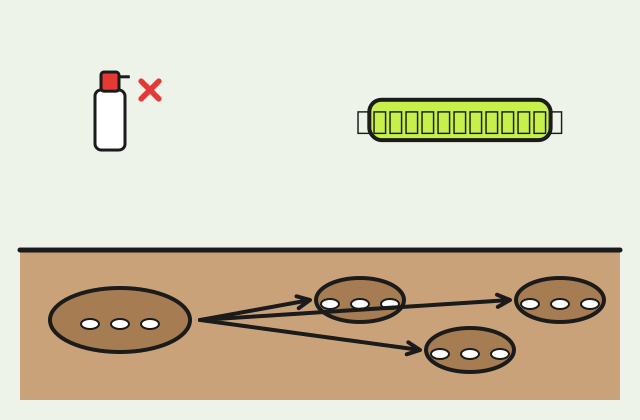
Some ants that live indoors, especially tiny ants with several queens in one nest, can split off and set up new nests when disturbed. Spraying a repellent on their lines again and again can scatter these ants to several places in the house, turning one line in the kitchen into ants in the bathroom, the bedroom and the wardrobe.
So if the ants in your home are very small and form several lines, spraying every time you see them can make the problem harder to solve. Identify the ant first; the basics are in small black ants in the house. If they fit this group, focus on clearing food and using bait according to its label rather than spraying.
For ants whose nest is outside, such as larger black ants coming in under the back door, spraying along the outside of the door frame as the label allows is a reasonable way to block the entry, as long as you also seal gaps and put food away. If the ants bite painfully or appear in many places, contact a licensed pest control company.
How do you combine spray, pads and bait without them cancelling out?
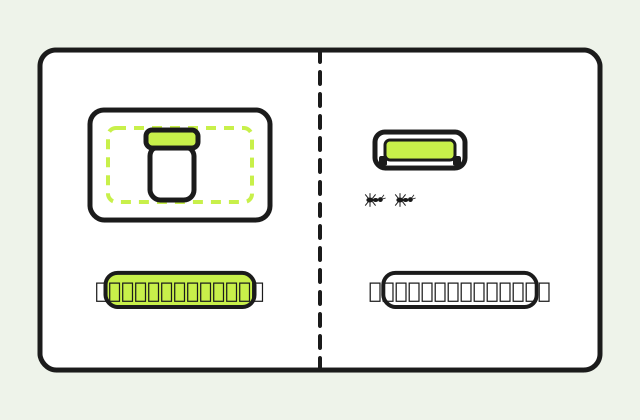
Each does a different job. Anti-ant pads protect the spot with food, bait deals with the nest through the workers that carry it back, and spray wipes out or blocks a trail at one spot. A common mistake is spraying near bait, so ants avoid it and never carry it home, and the bait fails. Keep their places clearly separate.
Put the things ants love on an anti-ant pad, such as the sugar jar, honey bottle and cat bowl, keeping them at least 5 cm from every edge. The 30x42 cm anti-ant pad costs ฿148 and simply lies in place, with nothing sprayed near the food. Place bait along the ant line on the floor further away, and do not spray around it.
Keep the scented ant repellent spray for later, once the bait has had the time stated on its label, to wipe or spray out the old trail so new ants do not reuse it. To understand how an anti-ant pad stops ants, read what an anti-ant pad is.
How do you use ant repellent spray safely at home?
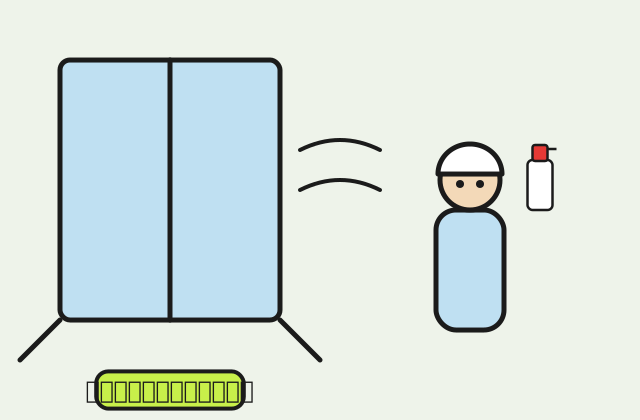
Before spraying, remove food, dishes and children’s toys from the area, take children, older people and pets out of the room, and open windows or doors for fresh air. Spray only the line the ants use, not the whole room, and never more than the label says. More spray does not make the ants go faster.
After spraying, wait for the time on the label before going back in, wash your hands, and store the can high up out of children’s reach, away from food and flames. Never leave an aerosol can near a stove or anything hot, and never throw one into a fire.
If anyone at home starts coughing, has trouble breathing, gets a rash or red eyes after using a spray, take them into fresh air and see a doctor or call a poison information centre, bringing the can or label with you. For extra precautions in homes with small children or pets that spend the day on the floor, see is an anti-ant pad safe, which also compares mist-free ways to keep ants away.
Frequently asked questions about ant repellent spray
Can I spray an organic ant spray near food?
Do not spray it on food or food containers, even if it is herbal, because essential oils smell strong and some are irritating. Move the food first, then use it along the ant line.
How long does one spraying last?
It depends on the formula. Herbal sprays tend to last a short time because the scent evaporates; some chemical sprays leave a residue for the period on the label. Check the label of the product you use.
Can I use dish soap and water instead of spray?
It is a cheap, effective way to wipe out the ants’ scent trail on counters and floors, but like most sprays it does not reach the nest. You still need to put food away and find the source.
Spray or anti-ant pad: which is better for a cat bowl?
There should be no spray near a cat bowl, because cats lick the floor and their paws. Setting the bowl on an anti-ant pad with 5 cm clear at the edges is the better choice; see our article on ants in cat food.
Can I spray inside my car?
We do not recommend it, especially into the AC vents and the console, which have electrics behind them. Clean the car instead, and if ants are in the AC system, take it in for service.
Which brand of spray is the best?
We have not tested brands side by side, so we do not rank them. Choose by type (repel or kill), whether it is for indoor use, whether it has a registration number on the label, and whether its warnings fit your home.