Ants in bed: why they come, and how to get them off the mattress for good
 KAI67 anti-ant pad, large 30x42 cm฿148 · 1 pad · Order via LINE or fill in the form
Order ฿148LINE @814ddrza
Swipe for the next topic · 10 topics
Why are there ants in bed?
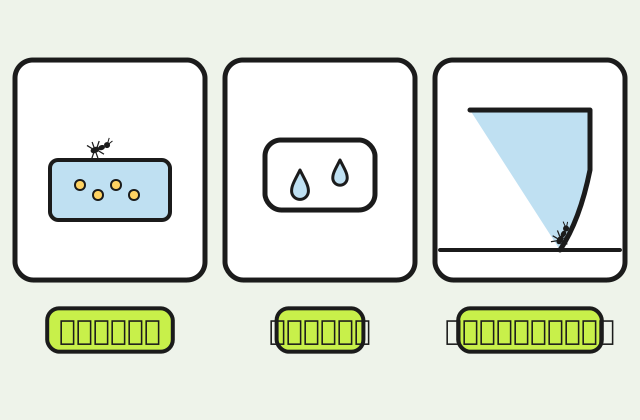
Ants come to the bed because they find food or moisture there and have an easy way up. The food is not just snacks eaten in bed; it includes milk, sweet drinks or lotion spilled on the sheet, skin flakes and sweat built up in pillows and blankets, and a sweet drink left on the headboard. Moisture from sweat and hot weather makes these smells stronger to ants.
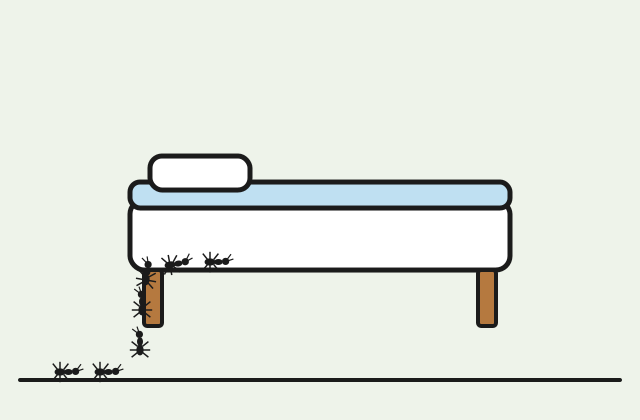
The route up is usually something that has been next to the bed so long nobody notices it: a headboard against the wall, a blanket or bedspread hanging to the floor, a phone charger cable running from the socket onto the mattress, or a bedside table touching the mattress. Ants walking along the floor-wall joint always find these bridges first.
Causes people forget are things that are not food but smell sweet or greasy, such as lip balm, hand cream, children’s syrup medicine dripped on the pillow, and used nappies or towels left on the bed. These attract ants just like crumbs.
Ants got into the bed: how do you get them out?
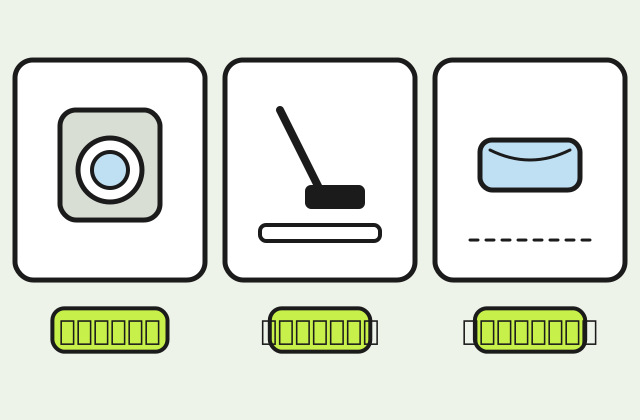
Start by stripping the fitted sheet, pillowcases, duvet cover and mattress protector and washing them straight away. Then use a narrow vacuum nozzle along the mattress edges, seams and under the bed, where ants and crumbs hide. Next, wipe the bed legs, frame and floor around the bed with a cloth wrung out in water with dish soap to remove the scent trail ants have left.
While the mattress is bare, open a window or run a fan to air it. A dry mattress with no musty smell draws fewer ants. If the mattress has a removable cover, wash it as its label says. For mattresses without a removable cover, never pour water on them, because moisture trapped inside causes musty smells and mould.
After cleaning, do not put fresh sheets straight back on. First follow any remaining ant line back to its source. If you do not know how ants get into the room, a new group will follow the old trail back up within a day or two.
Can you get ants in bed for no reason?
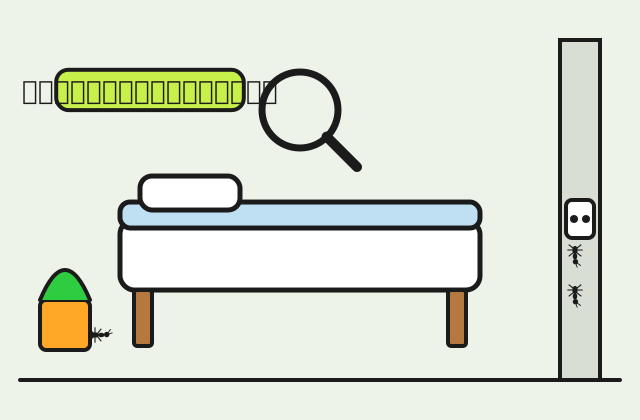
Ants on a bed with no cause at all are rare; the cause is usually just not visible. Examples are a drink that soaked under the sheet and dried, crumbs that fell into the gap between mattress and frame, a nest in the wall or under a wooden floor near the bed, or an indoor pot plant with a nest in its soil. These cases need checking one spot at a time.
The method that works is watching in the evening or at night with a torch to see where ants go. If they wander on the mattress with no clear line, food or moisture may be hidden in the mattress. If they walk in a line from the wall, window frame or headboard socket, that is the way in. If ants go in and out of a power socket, do not open or spray it yourself; have an electrician check it.
Another case is bites every night but no ants to be seen. Itchy bumps may come from other insects such as mosquitoes or mites. If you check the bed and see no ants at all, do not assume it is ants, and if a rash spreads or is severe, see a doctor.
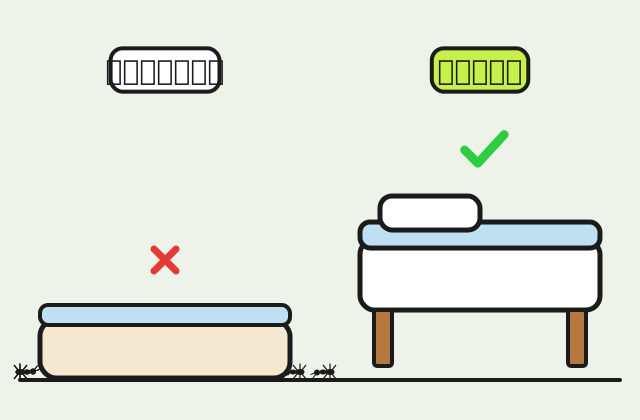
Ants in a latex mattress: is it the material?
There is no confirmed evidence that latex mattresses attract ants more than other types. What is more common is how they are placed. Many homes put a latex mattress or topper directly on the floor, so ants walking along the floor reach its edge at once, and the side touching the floor does not breathe well, so sweat and moisture build up and draw ants easily.
If you use a floor mattress, stand it up to air regularly as the maker advises, clean the floor underneath before putting it back, and leave a small gap from the wall. If possible, put it on a base or bed frame raised off the floor, so the bed legs are the only way up for ants, which is much easier to block than a whole mattress edge.
Most latex mattresses come with specific advice about sunlight and washing the cover. Check the label or the maker’s manual before putting it in the sun or using any cleaner, because each material needs different care.
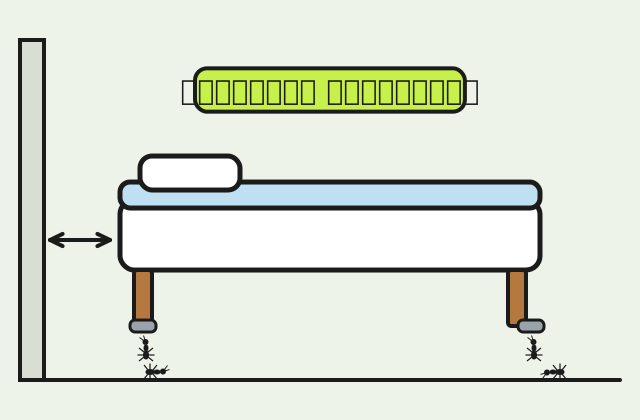
How do you stop ants climbing onto the bed?
Make the bed legs the only route ants can use, then block the legs. First move the bed slightly away from the wall, tuck the blanket up off the floor, and move the charger cable so it does not run from the floor onto the mattress. Then block each leg in the way that suits your home, such as a full ring of anti-ant gel around the leg, or standing the legs in cups of water.
KAI67 anti-ant gel costs ฿109 and can be applied around wooden or metal bed legs. Apply it on a dry surface as a complete ring, and check the line now and then because it wears thin when wiped. We have not yet received the ingredient document from the distributor, so if a young child can crawl to the bed legs or a pet likes to lick, ask us on LINE before using it.
Cups of water under the legs work immediately but need changing daily and can breed mosquitoes, so they suit short-term use while you find the ant source. Anti-ant pads cannot be used on bed legs, because pads work with items on a flat surface, but they can go under cups or bottles on the bedside table. All methods are compared in how to keep ants away.
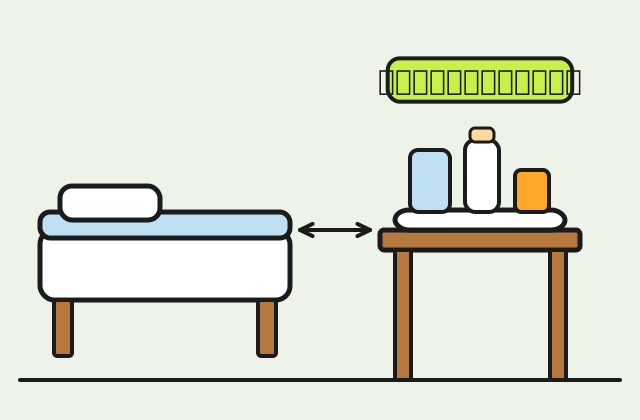
How should food and drinks by the bed be arranged?
Keep food by the bed to a minimum. If you need things there, such as a water glass, a baby bottle or night-time medicine, keep them together in one spot on the bedside table, on an anti-ant pad 5 cm from the edge, and set the table slightly away from the mattress. That way ants on the table cannot cross to the bed, and ants from the floor cannot reach the glass.
A glass of plain water rarely attracts ants, but unfinished sweet drinks, milk or juice are a strong draw. Wash them right away or take them out of the room before bed. Wash used baby bottles straight away rather than leaving them by the bed overnight, and keep opened snacks in rubber-sealed boxes outside the bedroom.
The 30x42 cm anti-ant pad costs ฿148 and has about 20x32 cm of usable space after the margin, enough for a glass, a baby bottle and a medicine box on the bedside table. Before first use, rinse it with plain water and dry it, and wipe up spills on the pad straight away.
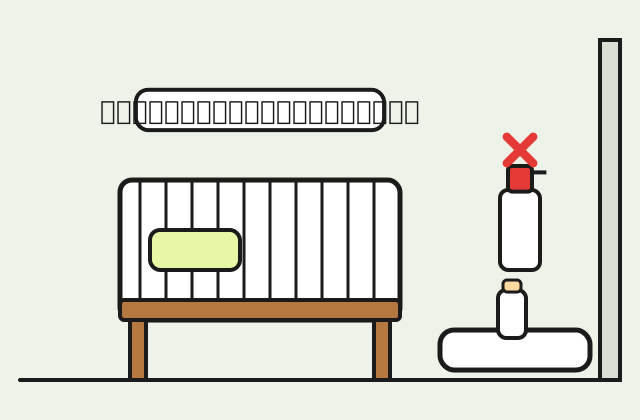
Ants on a baby’s bed: how should you handle it?
A baby’s bed calls for chemical-free methods only. Never spray, sprinkle powder or draw ant chalk around a cot or baby mattress, because babies put their hands and toys in their mouths. What you can do is wash all bedding and mats, wash bottles right after use, wipe milk or drool stains on the mattress, and set the cot away from the wall with nothing hanging to the floor.
If a baby is bitten by ants, wash the skin with clean water and watch closely. If there is severe swelling, a rash spreading over several areas, fever, drowsiness or unusual breathing, see a doctor at once. Some ants, such as fire ants, can cause pus-filled bumps; do not pick or scratch them.
If ants keep coming even though the room is clean, move the baby to sleep in another room for a while as you find the source or call a pest control company, and ask the provider about using chemicals in a home with a young baby, including how long to wait before going back into the room.
Are ants in bed an omen, or a sign of illness?
There are many beliefs about ants in bed. Some see it as an omen, others think it means a visitor is coming. These are folk beliefs without evidence. Another question people ask is whether ants on the bed or on towels mean diabetes. Ants cannot diagnose illness, and far more common causes are food residue, sweat and an open route.
If you really do have worrying symptoms, such as frequent urination, strong thirst, unplanned weight loss or unusual tiredness, get checked by a doctor or a local health service. Do not use ants to decide whether you are ill, and do not delay a check-up thinking it is just ants in the bed.
If you hold the beliefs about omens, that is up to you, but washing the sheets, cleaning and cutting the ant route are still needed. Ants on the mattress bite and itch, disturb sleep and bring dirt from the floor onto the place your face rests every night.
What if ants in bed keep coming every night?
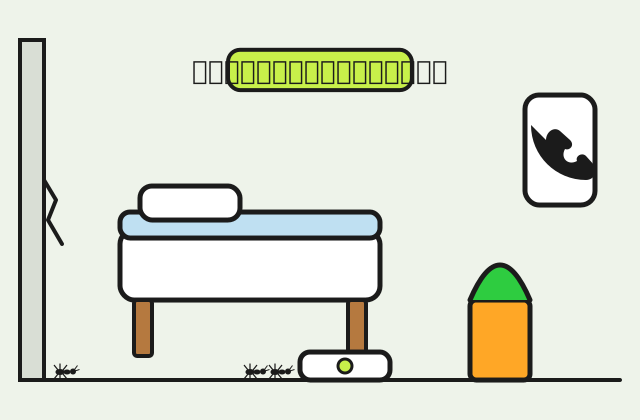
If you have cleaned and blocked the bed legs but ants still get on the mattress every night for more than 1 to 2 weeks, the nest is usually very close, for example in the wall by the bed, under a wooden floor, in storage boxes under the bed, or in an indoor pot plant. Check these spots one by one, move pot plants out of the bedroom, and open boxes under the bed to see whether ants are nesting there.
If you find the nest in a wall or under the floor, ant bait placed along the ant trail on the floor, away from the bed, can reduce ants at the source, but it must follow every point on the label, be kept out of reach of children and pets, and never go on the mattress or bed. If unsure, or if the ants bite painfully, contact a licensed pest control company.
Do not buy a new mattress before finding the source, because a new mattress in the same room will meet the same ants. Money for a mattress is better spent first on sealing the entry and dealing with the nest.
Frequently asked questions about ants in bed
Does putting the mattress in the sun help with ants?
It helps dry the mattress and reduce musty smells, which makes it less interesting to ants, but it does not fix the entry route or the nest. Some mattresses, such as latex or memory foam, have specific advice about sunlight, so check the maker’s manual first.
Can I spray ant spray on the mattress?
You should not, because the mattress touches your skin and face every night, so any residue is breathed in and touched all the time. Wash, vacuum and cut the ant route instead. If you must use an insecticide in the room, use it only on the floor away from the bed as the label says.
Can I sprinkle baby powder or ant chalk around the bed?
Powder may slow ants for a while but floats in the air and can be breathed in, and some ant chalks contain insecticide, which is unsuitable for bedrooms, especially with young children. Gel round the bed legs or cups of water under them are easier to control.
Why do ants only come to my side of the bed?
That side usually has more sweat, drool or lotion, or is near the wall, a socket or a bedside table with a drink. Wash that side’s pillowcase and sheet more often and check the ant route from that side down to the floor.
Do I have to throw away a mattress ants have been in?
Usually not, if the ants came for food and the mattress can be cleaned. If it is damp inside with a musty smell or mould, or ants are nesting inside it, consider replacing it, and find the ant source before bringing a new mattress into the room.
Can I put an anti-ant pad under the mattress?
It is not suitable, because a pad needs a 5 cm margin around whatever sits on it and a mattress is much bigger than the pad. Use pads for items on the bedside table, and gel or cups of water for the bed legs.