Are anti-ant pads dangerous? Are they safe for cats, dogs and children?
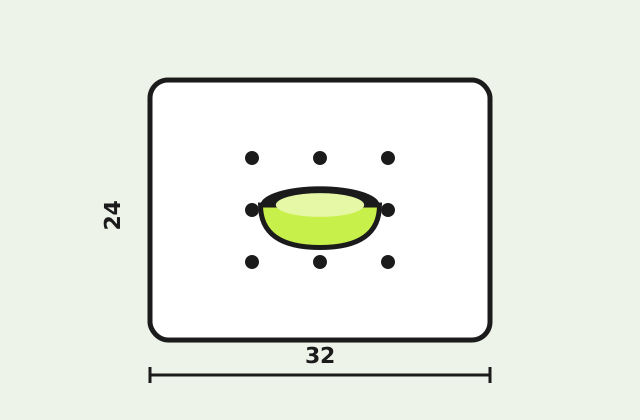 KAI67 anti-ant pad, small 24x32 cm, for cat bowls฿140 · 1 pad (temporarily out of stock) · Order via LINE or fill in the form
24x32 temporarily out of stock · See other modelsLINE @814ddrza
Swipe for the next topic · 10 topics
Are anti-ant pads dangerous? The straight answer: manufacturers state that hard anti-ant pads can be used with pet food bowls when used correctly, meaning the bowl sits in the middle of the pad so food doesn't touch the surface, pets don't lick it regularly, and the pad isn't cut into small pieces that animals could carry off in their mouths.
But the "100% chemical-free" claim you see at many shops shouldn't be believed without documents, because the pad surface has to carry some substance that stops ants from walking on it. This article separates what can be confirmed from what is advertising, explains how to use the pads safely around cats, dogs and children, and lists the documents you should ask to see before buying from any shop, KAI67 included.
What substance is on the surface of an anti-ant pad?
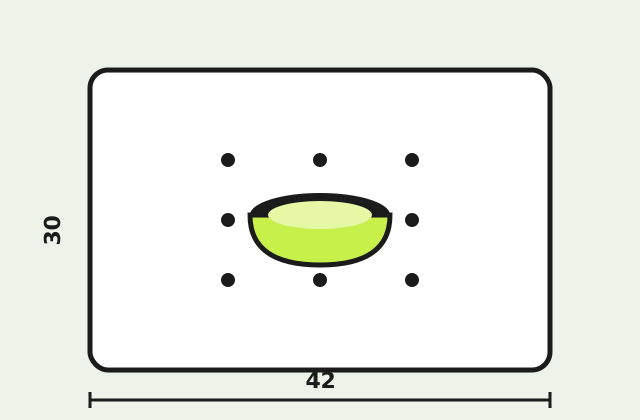
Each manufacturer states it differently. Some say they use extracts from plants in the chrysanthemum family. Some shops name a synthetic pyrethroid, a group of substances developed from compounds in chrysanthemum flowers. Both groups are used in ordinary household insecticide products, and there are rules on the amount used and on registration with the Thai FDA for hazardous substances used in the home. So buyers should check whether the product names the substance and gives a registration number.
For KAI67 anti-ant pads, we have not yet received documents from the manufacturer naming the substance and registration number, so we don't say on our website which substance it is, and we don't say it is chemical-free. As soon as we get the documents, we will post them on the product page. That is why our product pages have a field marked "awaiting manufacturer documents".
Are anti-ant pads safe for cats?
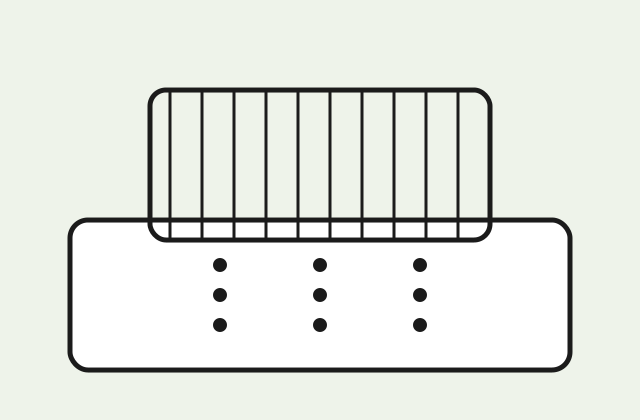
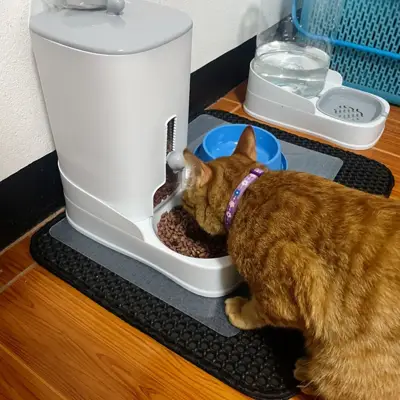
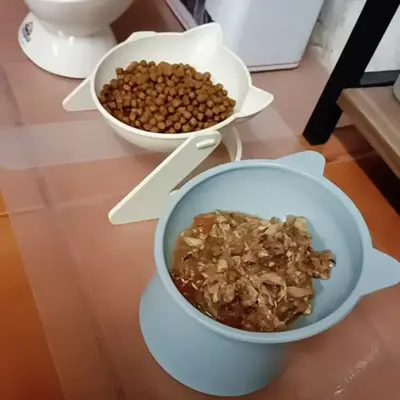
Most manufacturers state that the pads can be used under cat food bowls, provided the food stays in the bowl, doesn't touch the pad surface directly, and the cat doesn't lick the pad. Cats are more sensitive to pyrethroids than dogs, which is why vets often give extra warnings about insecticide products around cats. To use a pad safely with cats, use a high-sided bowl so food doesn't spill, wipe the pad every day, and watch whether your cat licks the pad.
What should you do if your cat or dog licks an anti-ant pad?
A single accidental lick usually causes no symptoms. But if your pet licks it regularly, move the pad somewhere harder for them to reach, or stop using it. If after licking your pet drools heavily, vomits, trembles or is lethargic, take them to a vet straight away and bring the packaging or product name so the vet knows what they were exposed to. This is general advice for all insecticide products, not a diagnosis.
Are anti-ant pads safe around young children?
Keep them out of reach of children who still put things in their mouths, for example on a kitchen counter or in a corner children can't get to. The pad is a large piece of hard plastic, so it isn't something a child could swallow, but licking it or touching it and then putting their hands in their mouth should be avoided. Wash your hands after handling the pad, as you would with any household insecticide product. If you have young children, a 24x32 cm pad on the counter is a better fit than a large pad on the floor.
Can you use an anti-ant pad with people's food, like under a sugar jar?
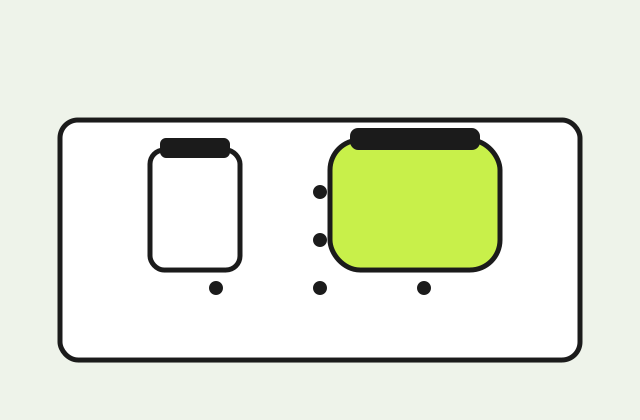
Yes, under a jar or any container with a lid, because the food doesn't touch the pad. What you shouldn't do is put uncovered food such as bread or fruit directly on the pad, or use the pad as a chopping board. If you put a rice cooker on it, make sure the bottom of the pot is clean and not extremely hot. Whatever sits on the pad should be a closed container, not food.
How do anti-ant pads compare with sprays and chalk for safety?
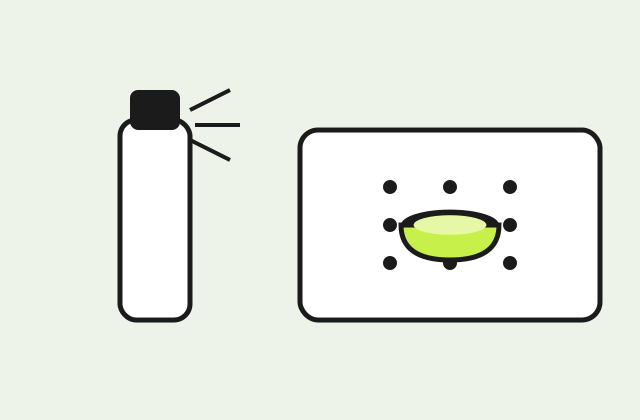
A spray releases the substance as a mist into the air. You can breathe it in, and it settles on surfaces around it, including food bowls. Chalk leaves a powder of the substance on the floor, which pets can walk through and then lick off their paws. An anti-ant pad has the substance built into the surface of a single sheet. It doesn't drift and doesn't leave powder, so you can control the contact area much better. That is why pet owners switch from sprays to pads. But "easier to control" doesn't mean there is no substance at all. The pros and cons of each method are in how to keep ants away.
What documents should you ask to see before buying an anti-ant pad?
Ask to see 3 things. One, the name of the active substance on the label or in the manufacturer's documents. Two, the Thai FDA registration number for household hazardous substances, if the substance is one that must be registered. Three, the name of a manufacturer or importer you can contact. A shop that can't answer all 3 doesn't mean the product is dangerous, but it does mean you are buying without knowing what is on the pad. KAI67 will post all 3 on the product page once we receive them from the manufacturer.
How do you use an anti-ant pad as safely as possible?
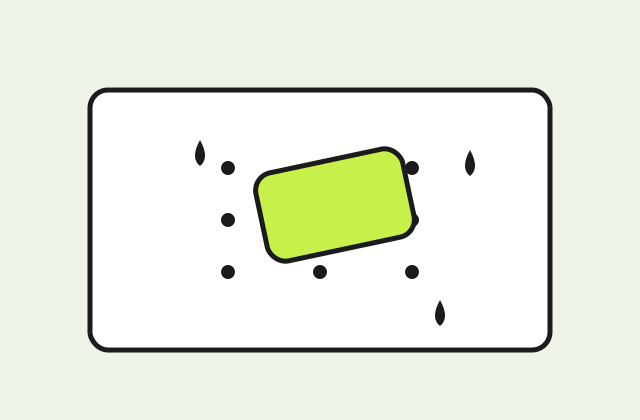
Do these 6 things: rinse it with plain water before first use; place the bowl or closed container in the middle of the pad so food doesn't touch the surface; wipe away food crumbs every day; don't cut it into small pieces; keep it out of children's reach and watch whether your pets lick it; and wash your hands after handling the pad. Do all of these and the risk from contact is very low. See all the placement steps at how to use an anti-ant pad, and choose the right size for a home with pets at anti-ant pad for cats
FAQ: are anti-ant pads dangerous?
Do anti-ant pads give off a harmful smell?
Ordinary hard pads have no smell that people can notice, and they don't release a mist into the air the way sprays do.
Are anti-ant pads really chemical-free?
Don't believe that claim without documents. The surface of the pad has to carry a substance that stops ants walking. Whether it comes from plants or is synthetic, it is a substance either way. What you should ask is which substance it is and whether it is registered.
Can I use an anti-ant pad under a bird or hamster cage?
Many users put them under cages. The thing to watch is that the animal in the cage can't reach the pad to lick or chew it, and that you wipe food scraps from under the cage every day.
Can pregnant women handle anti-ant pads?
Yes, handle them normally, as you would any household insecticide product. Wash your hands after handling. If you are concerned, talk to a doctor and bring the substance name from the label.
How do I dispose of an expired anti-ant pad?
According to most manufacturers, it can go in with general household waste. Don't burn it, and don't reuse it as a chopping board or food mat.