Ants in the Sugar Jar? How to Store Sugar, Honey and Snacks Where Ants Can't Reach
 KAI67 anti-ant pad, large 30x42 cm฿148 · 1 pad · Order via LINE or fill in the form
Order ฿148LINE @814ddrza
Swipe for the next topic · 10 topics
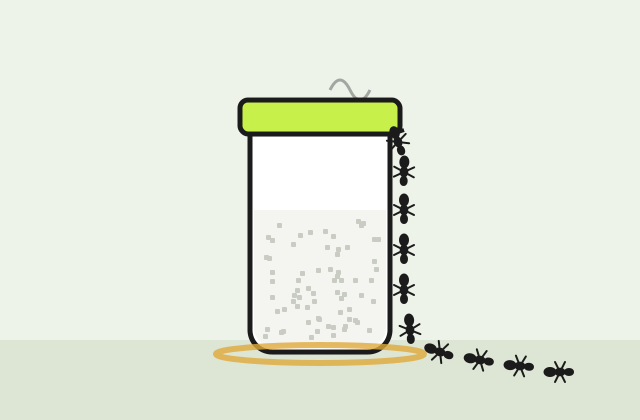
Ants in the sugar jar even with the lid on: in almost every home the cause is the same. There is sugar or sweet residue left outside the jar, for example on the lid threads, around the base of the jar or on the counter nearby, and the lid does not close tightly enough to stop small ants squeezing in. So the fix that works has 3 steps: get the ants out of the sugar you have, clean off all the sweet residue around the jar and along the ant trail, then change how you store it so ants cannot reach it. There is no need to spray in the kitchen near food.
This article covers granulated sugar jars, palm sugar, honey bottles, sweetened condensed milk and snack boxes. It explains what to do with sugar ants have already got into, which jars actually keep ants out, the belief about real honey and ants, and how to place an anti-ant pad under your condiment corner so it works. Everything here is based on what can be checked, and where something has not been confirmed, we say so plainly.
Why do ants get into the sugar jar even with the lid on?
Ants get into a closed sugar jar because there is a sweet smell outside the jar and a gap in the lid to squeeze through. Every time you scoop sugar, tiny grains stick to the lid threads and the rim of the jar and fall around its base. Kitchen humidity dissolves them into a sticky film. Ants out looking for food find this film first, then follow the smell up to the gap under the lid.
A lid that looks tightly closed can still have gaps. Screw lids without a rubber seal often leave channels along the threads, push-on lids tend to warp with use, and a sugar bag folded over and clipped has folds that tiny sugar ants or fire ants can get into very easily. Another cause people often overlook is the scoop left leaning against the jar: a spoon coated in sugar works like bait sitting on the counter all the time.
Ants already got into the sugar jar: how do I get them out without throwing the sugar away?
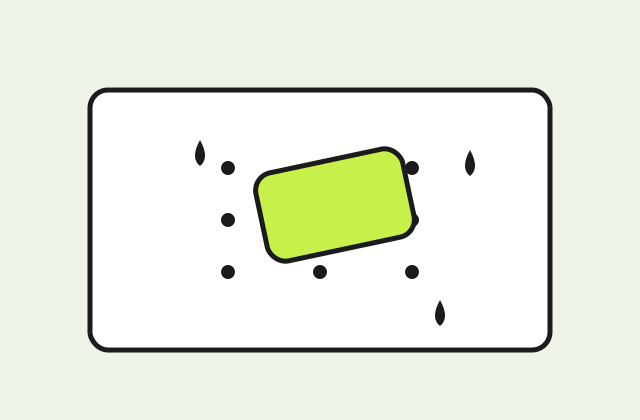
If only a few ants are in the sugar, you can get them out without chemicals. Pour the sugar onto a light-coloured tray or flat plate in a thin layer and leave it somewhere open and bright. Most ants will walk out on their own before long, because ants prefer dark, tight spaces to open ones. While you wait, wash the jar with dish soap, clean the lid threads and the rubber seal, and let everything dry completely before pouring the sugar back.
Just as important is wiping the ant trail. Ants leave a scent trail along the route they walk. If you only put the sugar away but do not wipe the counter, wall and cupboard legs along the route they came, a new group of ants will follow the old scent back to the same spot. Use a cloth dipped in water with a little dish soap, wrung out until damp, and wipe along that line all the way to the end. There is no need to spray near food.
Can I still use sugar that ants have got into?
It depends on how many ants there were and the state of the sugar. If you saw only a few ants on the surface and got them all out, many households keep it for food that will be cooked. But if there were a lot of ants, dead ants mixed all through it, the sugar has formed damp clumps or smells off, it is better to throw it out. Ants walk over floors, bins and drains before they reach the jar, so they may bring dirt with them.
What you should not do is spray insecticide into or around the sugar jar. Residue from the spray may stay on the jar and on counters used for preparing food, and most spray labels say to remove food and containers before spraying. If there are so many ants in the kitchen that you really need chemicals, use enclosed ant bait stations placed along the ant trail on the floor or outside the house, away from where food is stored, and always read the label before use.
What kind of sugar jar keeps ants out, and what should I look for?
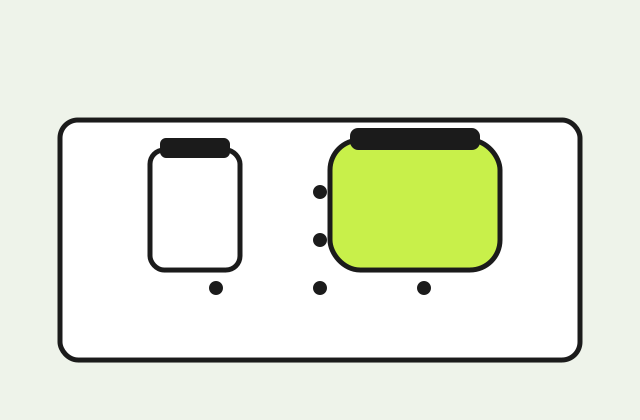
Jars that keep ants out well are ones with a rubber seal all the way around the lid, either screw-top lids with a silicone ring or clip-lock lids with a compression seal, because the rubber closes the gap ants squeeze through. Plain push-on lids, plastic boxes with warped lids and sugar bags folded and clipped do a poor job against small ants. An easy check: close the lid and look along the join. If you can see light coming through, ants can get through too.
A good jar only works if you keep it clean. A rubber seal with dried sugar stuck to it stops the lid sealing properly and becomes a source of sweet smell itself. Take the seal off and wash it now and then, wipe the lid threads after every scoop, and keep the scoop separately in a drawer or in a cup that you wash regularly, instead of leaving a sugary spoon next to the jar.
Ants on honey bottles, condensed milk and snacks: do they need storing differently from sugar?
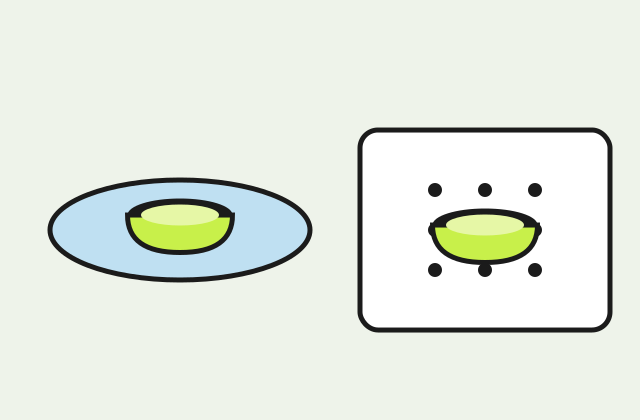
Same principle, but different weak spots. With honey, syrup and cordial bottles, the problem is the drips that run down the side after pouring. This residue is far stickier and sweeter than sugar grains, so wipe the neck and base of the bottle with a cloth dipped in warm water every time after use. For opened cans or tubes of sweetened condensed milk, follow the storage instructions on the label for after opening, which mostly say to close it tightly and refrigerate.
Bagged snacks, bread and cookies usually get invaded through the clip or fold of the bag. Move opened snacks into a container with a rubber-sealed lid instead of clipping the bag shut. Honey does not need to go in the fridge to keep ants off, because cold makes honey crystallise faster. Keeping it in a tightly closed bottle, wiped clean, on an anti-ant pad or in a cupboard ants cannot reach is enough.
If ants get into honey, does that mean the honey is fake?
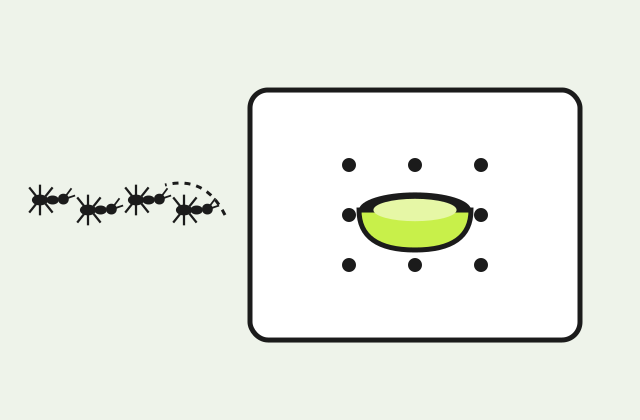
You cannot judge it that way. The belief that ants will not go for real honey has been shared for a long time, but there is no evidence confirming it can tell real honey from fake. All honey is mainly sugar. Whether ants go for it depends on many things, such as the type of ant, humidity, residue on the side of the bottle, and what kind of food the ants around your house happen to be looking for at the time.
If you want to know whether honey is real, check the information on the label, the producer and the food authority registration number, or buy from a producer you can trace. As for ants, treat the honey bottle as just another sweet item in the kitchen: wipe it clean and store it where ants cannot reach, the same as the sugar jar.
How should I place an anti-ant pad under the sugar jar so it works?
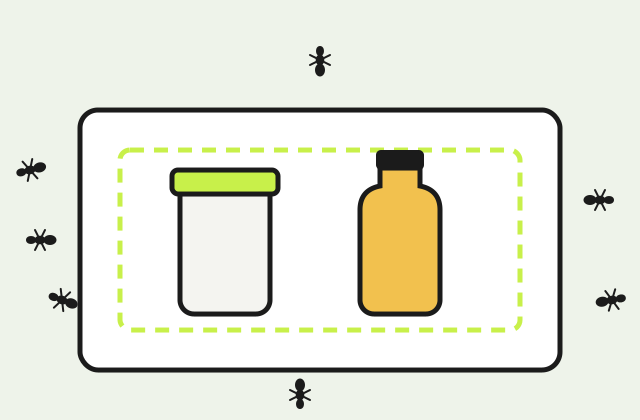
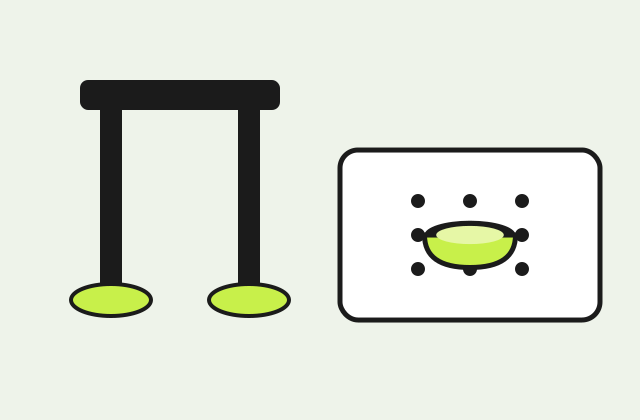
Put the anti-ant pad on the counter in your condiment corner with the smooth side facing up, then stand the sugar jar, honey bottle and syrup bottles in the middle of the pad, at least 5 cm from every edge. That leaves a usable area of about 20x32 cm on a 30x42 cm pad, enough for 2 to 3 medium jars. Before first use, rinse the pad with plain water and wipe it dry. Each step is covered in detail in the article How to use anti-ant pads so they work
What stops the pad working is anything that acts as a bridge: a spoon resting across the edge of the pad, a hand towel hanging down to touch it, a jar pushed up against the wall, or a bottle sticking out past the edge. Ants will walk along these and cross over. Sugar grains dropped on the pad also give ants a reason to keep trying. Wipe the pad regularly with a damp cloth; do not soak it, and do not place it in direct sunlight or near the stove. If your counter is small, choose the Clear White 30x42 cm pad, which lets the counter pattern show through, and cut it to fit the corner with scissors.
Will ants still get into the sugar jar after I put down an anti-ant pad? How long do I need to wait?
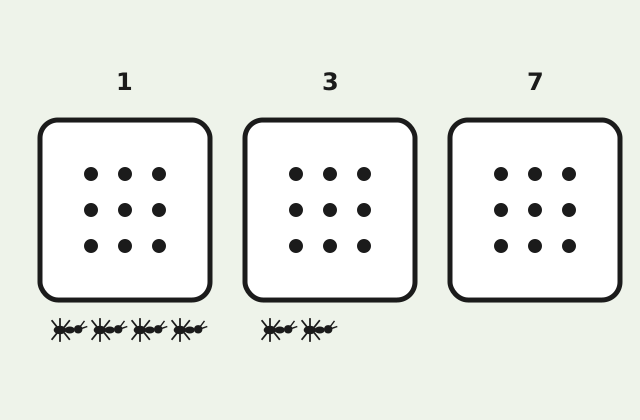
At first you will still see ants circling the pad, because the sweet smell is still there and the ants still remember the old route. Ants generally give up within about 1 to 7 days, as long as you have cleaned off the sweet residue and wiped the ant trail completely. During this time, watch whether any ant manages to get across to the jar. If one does, find out how it crossed: almost every time it turns out to be something resting across the edge or a jar touching the wall.
What you can expect from an anti-ant pad is that it stops ants from reaching the items placed on it. The pad does not kill ants and does not get rid of the nest. To learn how the pad works and what its limits are, read Do anti-ant pads really work? If you have placed it correctly for a full 7 days and still see ants reaching the jar, you can send a photo of your setup to the admin on LINE @814ddrza.
If ants still come every day, how do I find their route and nest?
If ants come into the kitchen every day even though sweet things are stored properly, the nest is nearby, for example in a crack in the wall, under the kitchen cabinets, in a plant pot by the window or around the drain pipe. To find it, put a little sugar on a piece of paper where you often see ants, watch which way they carry it back, then follow the line until you find the spot where the ants disappear. That spot is the entry point or the nest. If ants are in several parts of the kitchen at once, see how to trace them through the whole home in ants in the house.
Once you find it, seal whatever cracks or gaps you can, move plant pots away from the kitchen, and if you need an ant control product, use it at that entry point, away from where food is stored, strictly following the label. For cupboard or shelf legs where a pad cannot go, you can use anti-ant gel applied as a barrier on the legs. The shop does not yet have documents confirming the gel's ingredients, so for now we do not recommend applying it to containers or surfaces that touch food directly.
Frequently asked questions about ants in the sugar jar
Does putting bay leaves, cinnamon or cloves in the sugar jar keep ants away?
Lots of people recommend it, but there is no evidence yet that it reliably keeps ants out in an ordinary home kitchen, and the spices may leave their smell in the sugar. You can try it since they are all edible, but do not rely on it alone. A jar with a rubber-sealed lid, wiping off sweet residue and placing the jar where ants cannot reach it work far more reliably.
Does keeping sugar in the fridge stop ants?
It keeps ants out, but it does not suit granulated sugar well: when you take it out to use, moisture condenses on the cold sugar and makes it clump. If you do use the fridge, put the sugar in a tightly sealed container. For sugar you use every day, it is easier to keep it at room temperature in a jar with a rubber-sealed lid, placed on an anti-ant pad.
How do I keep sticky palm sugar or coconut sugar safe from ants?
Sticky, moist sugar attracts ants more strongly than granulated sugar. Split it into small containers with rubber-sealed lids, just enough for each stretch of use, and keep the rest tightly closed. Wipe the rim of the container every time after scooping, and set it in the middle of an anti-ant pad, 5 cm from the edge, the same as a regular sugar jar.
Can I draw a line of ant chalk around the sugar jar?
We do not recommend it in the kitchen. Most ant chalk contains insecticide, and the chalk line turns to powder when you wipe the counter, so that powder can end up in food. If you use it, read the label and only use it in spots away from food, such as where ants come in along the floor or the door frame.
Can I put an anti-ant pad in the food cupboard or on a spice shelf?
Yes, as long as the shelf is not hot or wet. Keep items 5 cm from the edge of the pad and away from the back wall of the cupboard too, because ants often walk along the cupboard walls. If the shelf is narrow, you can cut the pad to fit, but the cut piece must still leave a 5 cm margin around whatever sits on it. See the article on how to use anti-ant pads for more on cutting and placement.