Ants in the car: why they come and how to clear the cabin and the boot
 KAI67 anti-ant pad, large 30x42 cm฿148 · 1 pad · Order via LINE or fill in the form
Order ฿148LINE @814ddrza
Swipe for the next topic · 9 topics
Why are there ants in the car?
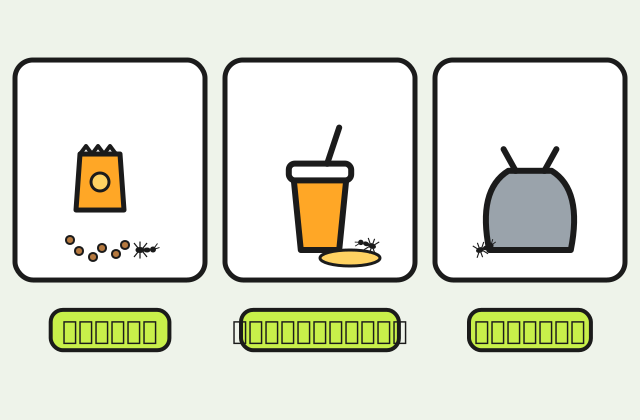
A car holds more food for ants than most people think. Snacks eaten while driving drop crumbs into the seat gaps and seat rails. A coffee or milk tea left in the cup holder has sugar around the rim. A child’s snack bag slides under the back seat, and a small rubbish bag hangs behind the front seat. All of these give off sweet or greasy smells, so worker ants walking under the car follow the smell up.
The boot is the spot people forget. A bag of fruit, a bottle of syrup or a takeaway box that leaked a little leaves marks on the boot carpet or in the spare wheel well. A closed car gets hot, which makes the smell stronger. Leave the car parked long enough and the ants arrive in a line.
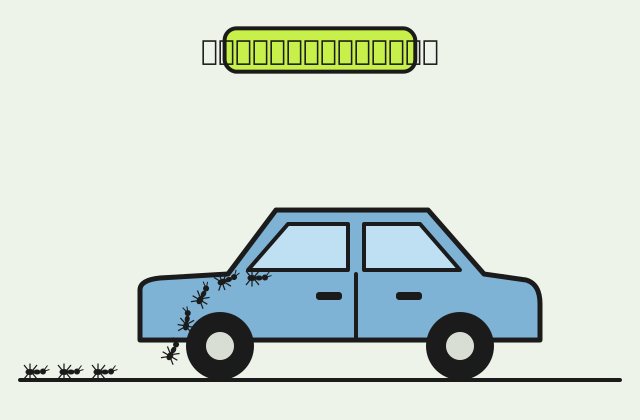
The other half is the way in. Ants do not fly into cars; they walk up the tyres, the wheel arches, branches touching the body, or things we lift in ourselves, such as potted plants and fruit crates from the market. If there is no food inside, a stray ant will walk out again. If there is food, it leaves a scent trail for others, which is why a long line can form within a few hours.
How does parking under a tree bring ants to the car?
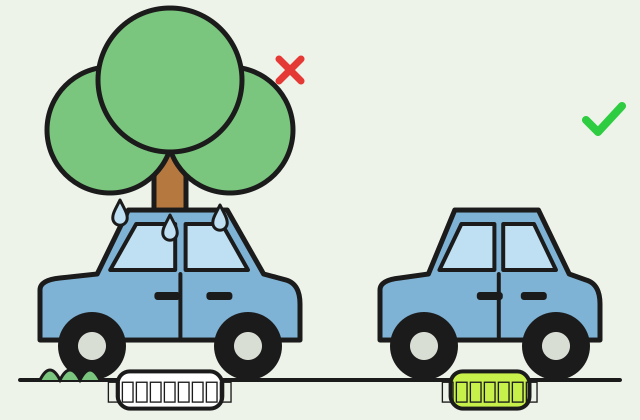
Many trees host aphids or mealybugs. These insects suck sap and excrete the extra sugar as honeydew, which drips onto the roof and windscreen as a sticky film. Ants already feeding on honeydew in the tree simply follow it down onto the car. If the roof is sticky every time you park in the same place, suspect that tree first.
Branches touching the wing mirrors or the roof act as bridges, letting ants walk from the tree to the car without touching the ground. Parking on grass or on a soil verge with an ant nest puts the tyres straight on the ants’ path. The longer the car sits there overnight, the more time the ants have to explore and find a way in.
The easiest fix is to change where you park. Pick concrete or an open space with no branches reaching the car. If your only parking spot is under a tree, trim branches that hang down to the car, wash the sticky film off the roof often, and look for nest holes in the ground around the wheels. If there is a nest right where you park, bait used according to its label can deal with the colony; see how it works in ant bait vs anti-ant pads.
How should you clean the car once you find ants?
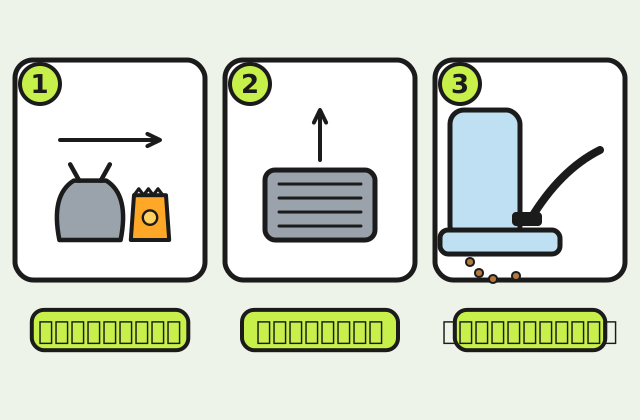
Park in the shade away from trees, switch off the engine and take everything out: rubbish bags, water bottles, umbrellas, tissue boxes, child seats and whatever is in the boot. Shake anything with ants on it outside before it goes into the house. Snacks or food the ants have reached go into a tied bag. This step matters most, because a single piece of food left behind gives the ants a reason to stay.
Then lift out every mat and shake it. Rinse rubber mats and let them dry; vacuum fabric mats on both sides. Use a narrow vacuum nozzle along the gaps between the seats and the console, the seat rails, the door pockets, the cup holders and the spare wheel well in the boot. Ants and crumbs gather in the gaps that hands cannot reach.
Sticky spots from sweet drinks, such as the cup holders and carpet where something was spilled, can be wiped with a damp cloth and a mild cleaner, followed by a cloth dampened with plain water, then dried. Interior materials differ between models, so check the owner’s manual or test any cleaner on a hidden spot first. Do not pour water onto the seats or floor, as water trapped under the carpet leads to damp and smells.
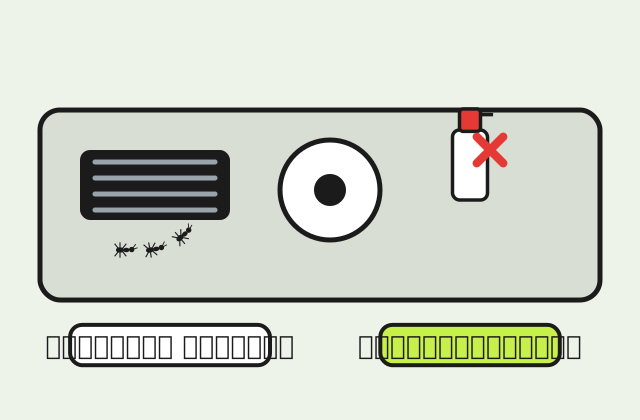
Can you use ant spray inside a car?
Most ant sprays and insect sprays are made for homes or outdoor use, not for a small, closed cabin. Mist left inside sticks to the seats, the steering wheel and the air-conditioning system, which everyone breathes each time the AC runs. If a product says it can be used in vehicles, read the label and follow every condition rather than guessing the amount.
Never spray, pour or sprinkle anything into the AC vents, the gaps under the console, or the sockets and ports in the car. Behind them sit the electrics and the AC fan, and liquid that runs in can damage them in ways that are hard to trace. If ants keep coming out of a vent or the edge of the console after you have cleaned, take the car to the service centre or a garage you trust.
The same goes for the engine bay. If you open the bonnet and see ants in the fuse box, along the wiring or around the battery, do not spray or take anything apart. A mechanic can check for a nest or damage at the connectors. For how the different kinds of spray compare and where each one belongs, see ant repellent spray.
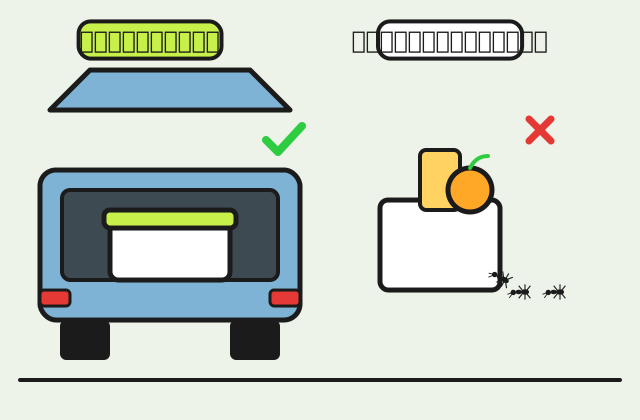
How do you carry food in the boot without ants getting in?
If you often carry food, keep one lidded plastic box in the boot. Fruit, snacks, bottles of syrup and takeaway boxes go into it instead of sitting in bags on the carpet. If something spills, it spills inside the box, which you can rinse straight away instead of scrubbing the carpet.
When you get home, take the food out of the car at once, even if it is in the box. A closed car gets hot, food smells more, and some fruit starts to weep juice. Check the boot carpet every time you carry fresh food, and wipe any wet or sticky mark the same day.
In the cabin, agree at home that snacks in the car should be the low-crumb kind, and put opened snack bags into a small lidded box. Empty the car rubbish bag every day the car is used rather than once a week. Families with small children should check the child seat closely, because biscuit crumbs and milk often end up under the seat cushion.
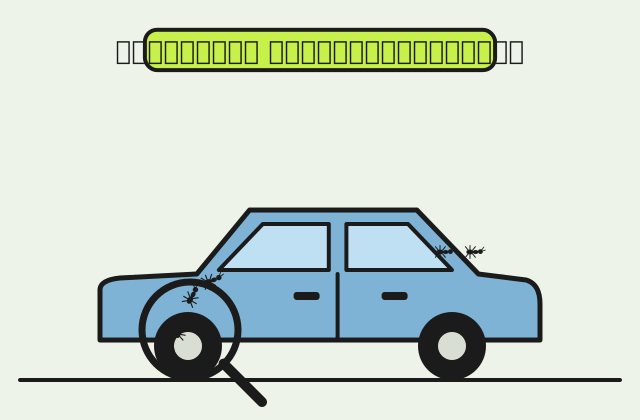
What if ants are on the outside of the car but not inside yet?
Ants walking only on the outside of the car are usually feeding on honeydew from a tree or exploring a route. Dealing with them now is easier than waiting until they reach the cabin. Wash the car with car shampoo, paying attention to the roof, the windows, the door edges and the wheel arches, to remove the sugar and the scent trail the ants have left on the body.
Use a torch to follow the line and see where it comes up. It is usually a tyre touching soil or grass, a branch touching the body, or, on an electric car, a charging cable lying on the ground. Once you know the route, move the car onto dry, hard ground and keep the charging cable off the floor when it is not in use.
Check the rubber seals on the doors and the boot lid. Hardened or torn seals let ants into the cabin more easily. Replacing door seals is a job for the dealer or a garage. Meanwhile, close the windows fully whenever you park, and do not leave a window open a crack for ventilation if you are parked near trees or grass.
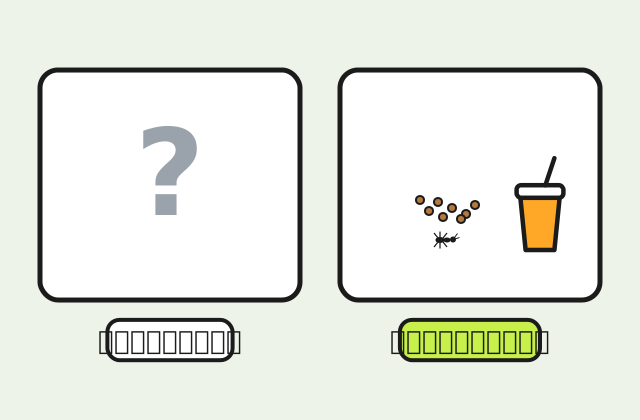
What do people believe about ants in the car, and should you worry?
People in Thailand read ants in the car in different ways. Some see ants carrying things in as a good sign for money; others take it as a warning to be careful on the road. These beliefs are passed on by word of mouth and there is no evidence that ants can foretell anything, so this article does not say what ants in your car mean for your luck.
What can be shown is how ants behave. They get into cars because they find food and a way in. It often happens after buying fruit or snacks, after a day out with children, or after moving the parking spot under a tree. In heavy rain, ants also move house looking for somewhere dry, and a car that stays still for a long time is an easy place to explore.
If you hold these beliefs, that is your choice, but do not leave the ants in the car. Ants on the driver are a distraction, and leftover food draws other insects too. Cleaning the car does not go against any belief. If ants appear in the car and the house at the same time, see the section on beliefs about ants at home in ants in the house.
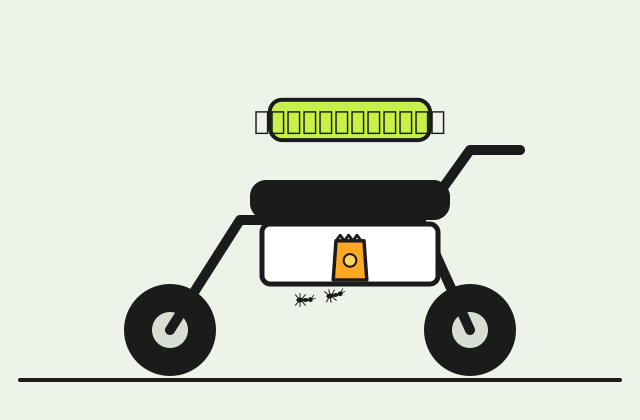
How should you deal with ants on a motorbike?
Ants on a motorbike usually start in the storage box under the seat, because people put snacks, sweet drinks or bags of food in it on the way home. The box is dark and warm, and crumbs keep their smell for a long time. Open the box, take everything out, vacuum or shake out the crumbs and wipe it with a damp cloth until dry.
The front basket and the small compartment by the handlebars also collect crumbs. Food bags hung on the hook often drip curry onto the floorboard. Clean these marks as soon as you see them, because motorbikes are often parked right next to soil, grass or the base of a tree, so ants walk up the wheels and the stand easily.
Do not spray into the under-seat box or along the wiring. If you find ants in a part you can only see by removing body panels or covers, let a repair shop or the service centre check it. Prevention works the same way as for a car: do not leave food in the bike, and park away from ant paths. If the ants are very small and you are not sure what kind they are, see how to tell them apart in small black ants in the house.
Frequently asked questions about ants in the car
Are ants in the car dangerous?
Most ants do not harm the car itself, but ants crawling on the driver are a distraction. If you are bitten while driving, pull over somewhere safe before dealing with it, and if ants are in the AC or the electrics, have a mechanic check.
Will parking in the hot sun drive the ants out?
Do not count on it. Ants may hide in cooler gaps and come back when the car cools down, and the food that drew them is still there. Taking things out and vacuuming thoroughly works more reliably.
Can I put an anti-ant pad in the car?
Anti-ant pads are designed to lie on flat surfaces indoors, and the maker advises keeping them away from strong sun and hot items. A car parked in the sun gets very hot, so we do not recommend leaving a pad in it. Use pads under food spots at home instead.
I cleaned the car and ants keep coming back. Why?
Usually there are still crumbs in gaps the vacuum did not reach, or the car is still parked on a nest or under a branch that touches it. Park somewhere else for a few days and watch. If ants still come out of the console or vents, take the car in for service.
Can ants get into an electric car too?
Yes, just like any car, because the cause is food inside and a way in. The extra thing to watch is the charging cable lying on the ground as an ant path, and never spray or pour anything near the charging port.
What can I use to wipe the inside of the car?
A damp cloth with a mild cleaner, followed by a cloth with plain water. Leather, fabric and plastic differ between models, so check the owner’s manual or ask the dealer before using a new product.