Ants on the Buddha Shelf? How to Keep Ants Off Offerings and Altar Tables Without Spraying
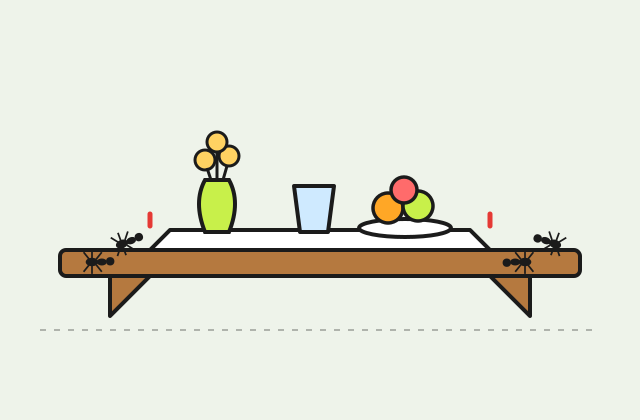
 KAI67 anti-ant pad, large 30x42 cm฿148 · 1 pad · Order via LINE or fill in the form
Order ฿148LINE @814ddrza
Swipe for the next topic · 10 topics
Ants on the Buddha shelf almost always have the same cause: there is something sweet or fragrant on the shelf for ants to eat, such as red soda, sweet drinks, fruit, desserts and fresh flowers, plus a shelf mounted on the wall that makes it easy for ants to walk up from the wall. So the fix that works is not spraying the shelf. It is removing what attracts the ants, wiping their trail, blocking the routes they use to climb up, and placing offerings on an anti-ant pad with a 5 cm margin.
This article is written for homes with a wall-mounted Buddha shelf (home altar), a Buddhist altar table set, a Chinese ancestor/deity altar table, or a spirit house in front of the house. It covers the causes, what not to do because it is genuinely dangerous near incense and candles, how to clean up without moving the Buddha images, and how to use anti-ant pads and anti-ant gel in the right places. It also says plainly in which cases the pad cannot help.
Why do ants get on the Buddha shelf when no food has been left out?
Ants get on the Buddha shelf because many offerings are food for ants. What attracts them most is sweet drinks, such as red soda, sweet syrup drinks and drinking yoghurt. Next come peeled or cut fruit, desserts, steamed rice and fresh flowers with nectar in them. Even a drip of a sweet drink spilled on the shelf while pouring into a glass is enough for ants to follow the smell and find it.
The other reason is where the shelf is. Most Buddha shelves are mounted on or stand against a wall for stability, so the wall becomes a direct path up to the shelf from the floor or from a crack in the wall. Ants do not have to cross the room where people would see them, which is why many households first notice them when the fruit plate is already covered, even though the ants have been going up and down the wall for days before that.
Are ants on the Buddha shelf an omen? Should I be worried?
Beliefs about ants on the Buddha shelf being an omen vary from family to family and region to region. This article does not interpret omens, because there is no information that can prove them. What can be explained for certain is that ants come up because there is food and a route. Once you put sweet things away and block the route, the ants go away on their own, and it has nothing to do with the household's fortune or luck.
If seeing ants on the Buddha shelf bothers you, what helps both practically and for peace of mind is to clean the shelf properly, take down the offerings that have been left there, and set out a fresh set of offerings on a surface ants cannot climb onto. Many households say a clean shelf without ants swarming over it makes them feel more at ease when praying than worrying about omens.
Can I spray ant killer on the Buddha shelf?
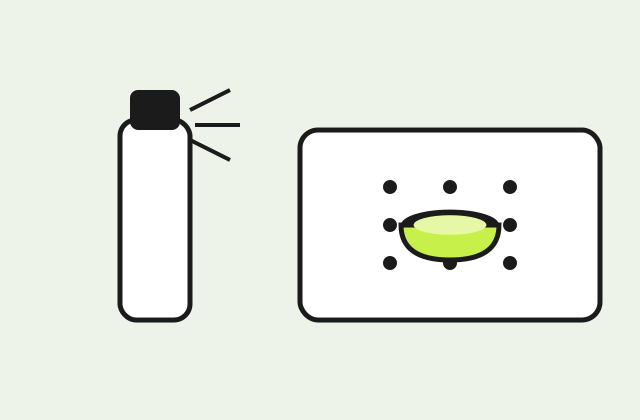
You should not, for 3 reasons. First, fire safety: most aerosol insecticide cans carry a label warning that they are flammable and must not be used near a flame, and the Buddha shelf is the place in the home where incense and candles are lit most often. Second, spray mist settles on offerings, fruit and water glasses, which many households eat after taking the offerings down. Third, the oily residue from spray leaves marks on the shelf cloth, the Buddha images and picture frames that are hard to wipe off.
If there are so many ants that you really need chemicals, first put out all incense and candles and remove the offerings, then use enclosed ant bait stations placed on the floor along the ant trail below the shelf, not on the shelf. Ants carry this type of bait back to the nest, so it tackles the source better than spraying the ants you can see. Read the pros and cons of each method in What is an anti-ant pad and how is it different from spray?
Ants are already on the Buddha shelf: how do I clean up?
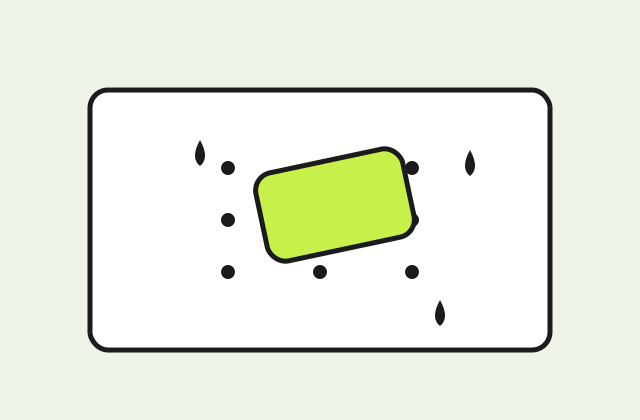
Follow this order. One: take down the offerings ants have got into, seal them in a bag and take it out of the house. Two: wipe the shelf with a cloth dipped in water with a little dish soap and wrung out until damp, covering the shelf surface, the shelf edge and the wall below the shelf along the ants' route. Three: wipe again with a cloth dipped in plain water, then wipe dry. Four: check where the ants came from and note it down, because that is the route you need to block.
Wiping along the trail matters more than killing the ants you see, because ants leave a scent trail for others to follow. If you only wipe away the ants but not the trail, a new group will come back along the same route within a day. You do not need to take the Buddha images down; just wipe around their bases with a cloth. Be careful not to use vinegar or strong cleaners on painted wood or gilded items, as they may cause discolouration. If unsure, test on a small spot that cannot be seen first.
Which offerings attract ants the most, and when should I take offerings down?
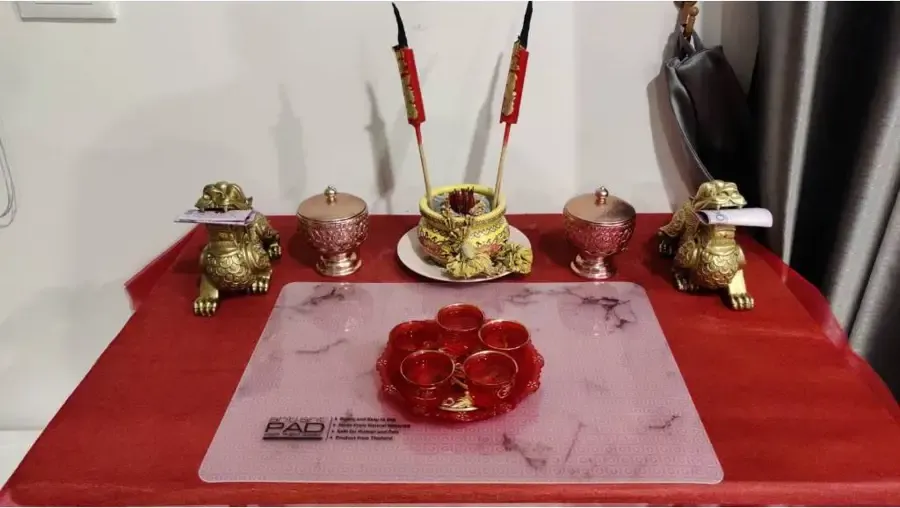
The offerings that attract ants most are sweet liquids left open, such as red soda with a straw in it, a sweet drink in a glass and a milk carton that has been pierced. Next come peeled fruit, unwrapped desserts, and rice or other dishes. Things ants barely notice are drinks that are still tightly sealed, whole unpeeled fruit and desserts still in their wrapping.
As for when to take offerings down, every household and belief does it differently. Many households take them down after the incense has burned out. From an ant-prevention point of view, the longer opened sweet things sit out, the more likely ants are to find them. If your household needs to leave offerings out all day, choose items that are still sealed, or put opened items on an anti-ant pad, and wipe up drips right after pouring.
How do I use an anti-ant pad on a Buddha shelf or altar table so it works?
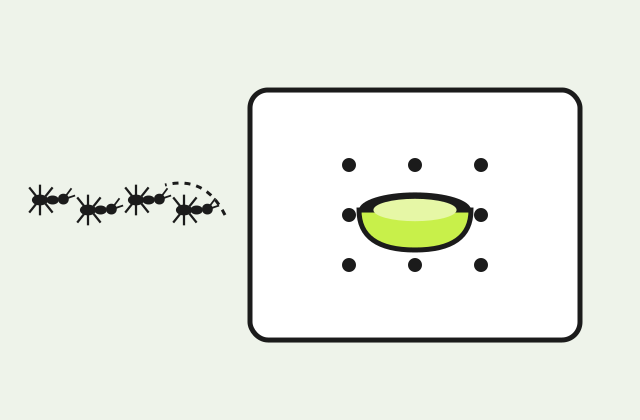
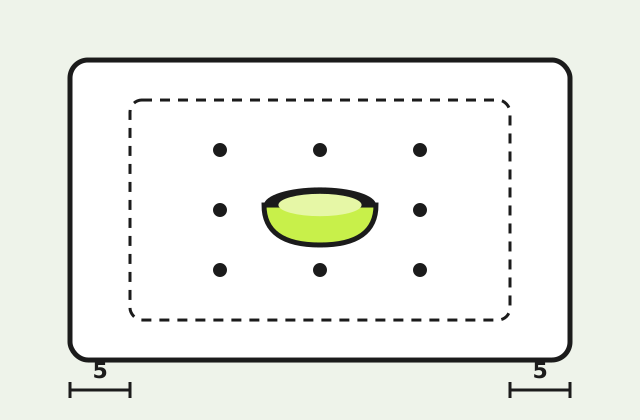
Put the anti-ant pad on the shelf where the offerings go, then place the offerings in the middle of the pad at least 5 cm from every edge. That leaves a usable area of about 20x32 cm on a 30x42 cm pad, enough for 1 fruit plate and 2–3 water glasses, or a set of offering tea cups like the one in the photo. Before placing it for the first time, rinse the pad with plain water and let it dry completely.
If the shelf is shallower than 30 cm, you can cut the pad to fit with scissors or a craft knife, because the coating covers the whole pad, but the cut piece must still leave a 5 cm margin around the offerings as before. Buddha images, picture frames and vases with nothing sweet do not need to be on the pad; the pad's job is only to protect things ants want to eat. For the first 1–3 days you may still see ants circling the pad; keep the pad clean and wait. Read the full steps in How to use anti-ant pads
On a wall-mounted Buddha shelf or altar table set, which way do ants come up, and how do I block it?
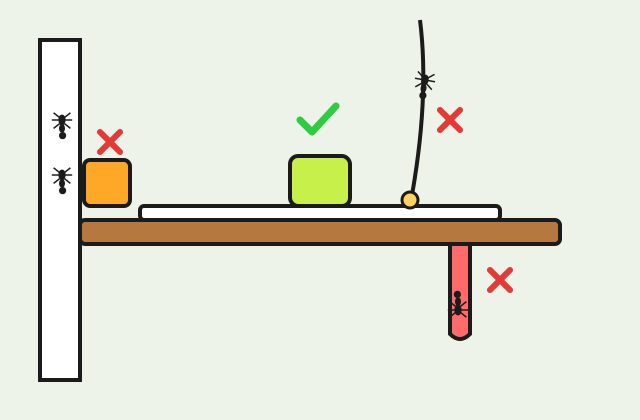
Ants use 4 main routes to reach the shelf: the wall behind the shelf, the legs of the altar table or the shelf brackets, a shelf cloth or decorative cloth hanging down to the wall or floor, and the cables of shelf lights or lamps running down. An anti-ant pad only stops ants that have to walk on the pad's surface to reach the items. If offerings are pushed against the wall, or a cloth runs from the shelf onto the pad, ants can get past the pad without ever touching its surface.
To block the routes, move offerings at least 5 cm away from the wall, tuck up cloth so it does not hang down to touch the wall or floor, and route cables so they do not run across where items are placed. If it is an altar table set standing on the floor, apply anti-ant gel in a complete ring around every table leg. KAI67 sells anti-ant gel for spots like these, but we have not yet received an ingredients document from the seller. If you have young children or pets at home, only apply it where they cannot reach.
Can I use an anti-ant pad at a spirit house or shrine outside the house?
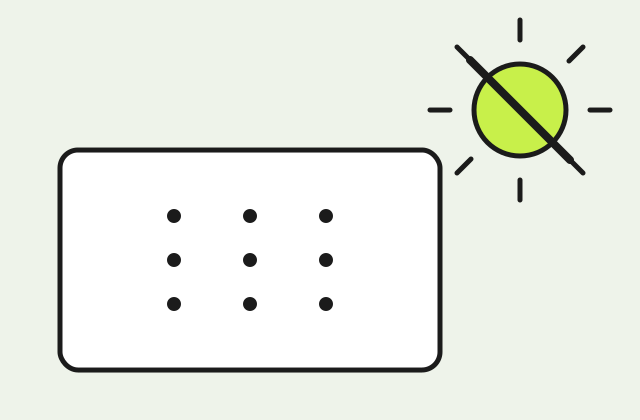
Only in spots sheltered from sun and rain, such as the floor inside the spirit house under its roof. If you place it in the open on the platform in front of the spirit house, where it gets sun all day or rain blowing in, the coating will wear out faster than the manufacturer states, because direct sunlight, heat and standing water are the 3 things that shorten a pad's life the most.
For offerings placed outdoors, a better option is a tray surrounded by water, for example setting the offering plate inside a tray filled with water so the water acts as a wall against ants. The downside is that you need to change the water every day so mosquitoes do not lay eggs in it, and watch for fallen leaves forming a bridge. Another option is to take down offerings at the spirit house sooner than those indoors, because items left outdoors draw even more ants from the garden and the trees around the spirit house.
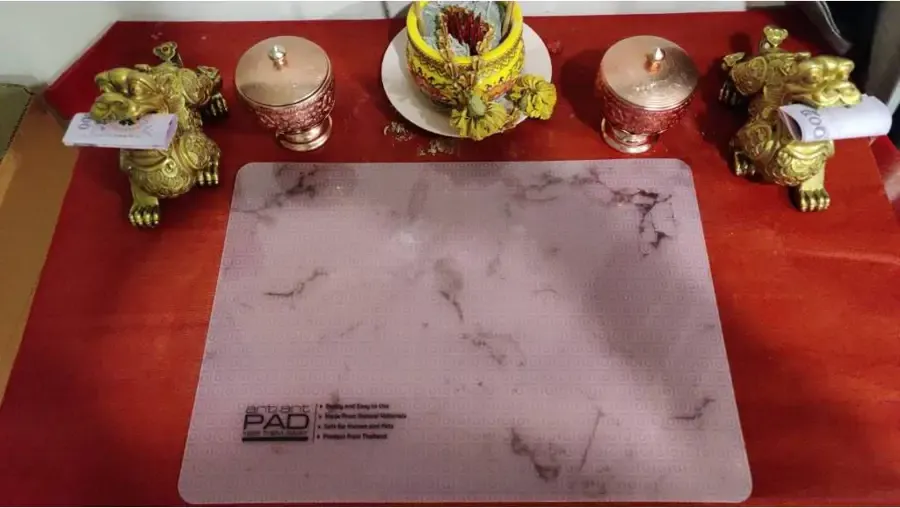
How do I stop ants coming back to the Buddha shelf?
Make it a simple routine of 4 things. Every time you make offerings, wipe up any drips of sweet drink right after pouring, and take down opened offerings at whatever time suits your household. Every week, wipe the shelf surface and the anti-ant pad with a damp cloth, then wipe dry. Every month, check the wall and shelf brackets for any new ant trails, and change the water in flower vases before it goes bad, because rotting flowers and the nectar in flowers also attract ants. If ants are in other parts of the home too, see how to find their source in ants in the house.
If you do all of this and ants still come up the shelf every day, the nest is very close, for example inside the wall, in the ceiling or in a plant pot near the shelf. In that case the anti-ant pad can only protect the offerings; it does not get rid of the nest. You need to follow the ant line to its entry point and seal the cracks, or use enclosed ant bait stations on the floor so ants carry the bait back to the nest. If the nest is inside the wall or the structure of the house and the ants have not decreased within 2 weeks, consult a pest control company. Read more about why a pad can seem not to work in Do anti-ant pads actually work?
Frequently asked questions about ants on the Buddha shelf
Can I put an anti-ant pad under a Buddha image?
You can, and it will not damage the Buddha image, but it is not necessary, because there is nothing on the image for ants to eat. Ants you see on the image are usually passing over it on the way to the offerings. It is better value to use the pad where the offerings sit. If you do want to put one under the image, lift it with great care or have someone help you hold it.
Can I use ant chalk or sprinkle powder on the Buddha shelf?
It works as a temporary fix, but chalk lines and powder come off when you wipe the shelf and leave white marks on the shelf cloth, and some brands of ant chalk contain insecticide that should not be near food people will eat afterwards. If you use it, draw it on the wall or on the shelf brackets, not on the shelf surface where the offerings sit.
Will lighting incense make ants go away?
There is no evidence that incense smoke repels ants. Ants come up the shelf for food, and as long as sweet things are still there, they will come back once the smoke clears. Putting sweet things away and wiping the trail works far more reliably.
Why do ants go for a glass of plain water offered to the Buddha?
Mostly it is because the glass sits near sweet things or has sweet residue on the rim from repeated use. Some types of ant also come looking for plain water in hot, dry weather. Wash the glass every time you change the water, and put the water glass on the same anti-ant pad as the offerings.
My Buddha shelf is very narrow and a 30x42 cm pad does not fit. What can I do?
You can cut the pad to fit the width of the shelf, as long as the offerings still sit at least 5 cm from the edge of the cut piece. If the shelf is too narrow to leave that margin, reduce the number of sweet offerings on that shelf and also use anti-ant gel on the shelf brackets. You can ask about choosing a size on LINE @814ddrza.