Ants in power outlets: why they get in, whether it is dangerous, and how to handle it safely
 KAI67 anti-ant pad, large 30x42 cm฿148 · 1 pad · Order via LINE or fill in the form
Order ฿148LINE @814ddrza
Swipe for the next topic · 10 topics
Why do ants get into power outlets?
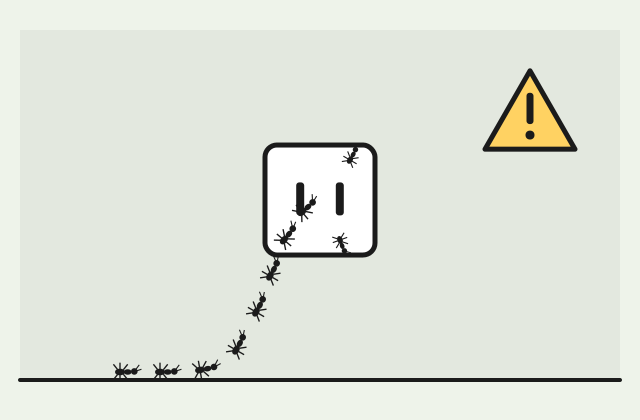
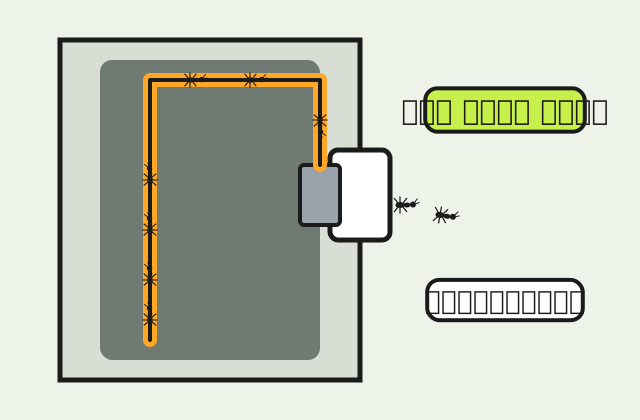
Ants in power outlets get there because a socket connects to the cavity inside the wall. The box behind the faceplate joins cable conduits that run through the house, which are dark, dry, warmer than outside and undisturbed. Ants nesting in the wall, under the floor or in the ceiling use the conduits and socket boxes as paths and shelter, and when they find the opening at the front of a socket, they come out to forage in the room that way.
There is evidence that some ants are drawn to electricity itself. The Wikipedia article on the red imported fire ant notes that this species is attracted to electricity; when workers are shocked they release alarm and recruitment pheromones, which bring more ants to the same spot and can damage equipment or cause short circuits.
Another reason is where the socket is. Sockets in the kitchen, beside the fridge, near a coffee counter or behind the dining table are close to food, so ants walking the wall to reach food pass them regularly. If you only see ants at one socket, first check whether there is food or a sweet spill nearby.
Are ants in power outlets dangerous?
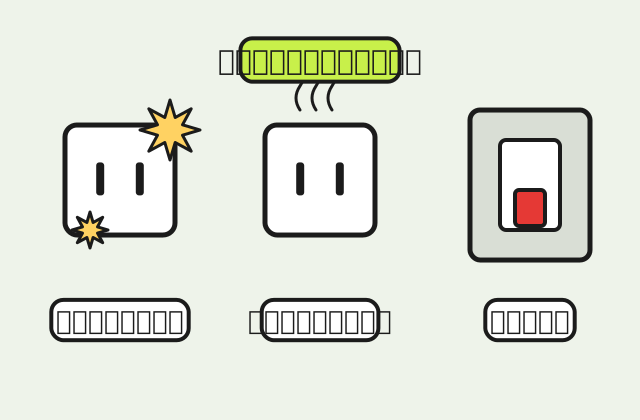
Ants in power outlets can be dangerous. Ants between the terminals, dead ants piling up in the box and soil they carry in can cause short circuits, worn contacts or abnormal heat at the socket. Some ants also chew cable insulation. None of this is visible from outside, so an electrician needs to check it rather than you guessing it is fine.
Signs that you must stop using the socket at once are a burning or melting plastic smell, a hot or blackened faceplate, crackling or visible sparks, power cutting in and out when something is plugged in, or a breaker tripping more often than usual. If there is smoke or a clear burning smell, switch off at the breaker if you can do so safely, then call an electrician.
Even without these signs, a socket that ants go in and out of regularly should not stay in use, especially for high-power appliances such as a kettle, microwave, rice cooker or water heater. Use another socket without ants in the meantime while you wait for the electrician.
Ants coming out of a socket: what should you do right now?
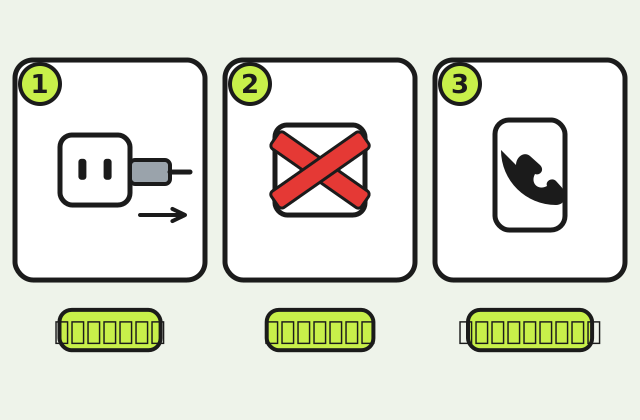
First, stop using that socket. If an appliance is plugged in and there is no burning smell or heat, switch the appliance off and pull the plug out by its head with dry hands. Then put a label or tape on it so everyone in the house, especially children, knows not to use it, and book an electrician. Do not take the faceplate off to look yourself.
While you wait, everything you can do yourself is outside the socket. See where the ant line comes from on the wall or floor. If it runs along the wall to the socket, wipe the part of the trail that is away from the socket with a damp cloth to remove the scent, but do not wipe the faceplate or socket holes and do not use a dripping cloth near it.
Move food, sweet drinks, pet bowls and bins that sit under or near that socket, because they are why ants pass that way so often. Note when you see ants, which way they come and whether other sockets have ants too. This helps the electrician or pest control company work on the right spots.
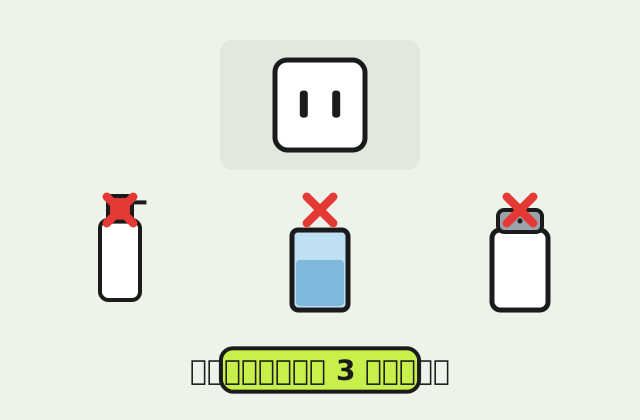
Can you spray or dust powder into a power outlet?
No, because it adds risk without fixing the cause. Liquid sprayed or poured in can cause a short circuit or an electric shock. Many aerosol cans use a flammable propellant, and labels usually warn against use near sparks. Powder dusted in stays in the socket box and can get damp. This is why advice to spray into socket holes should not be followed.
It also does not last. Spray kills only the ants it hits directly; the rest retreat deeper into the wall or move to another socket on the same conduit. The nest in the wall is untouched and they are back within days, while the electrical risk stays in the socket.
Do not poke sticks, wire or needles into the holes to flick ants out, do not vacuum the socket holes and do not blow a hot hair dryer into them. Anti-ant gel must not go on the faceplate, switch or around the holes either. Anything inside the socket is a job for an electrician.
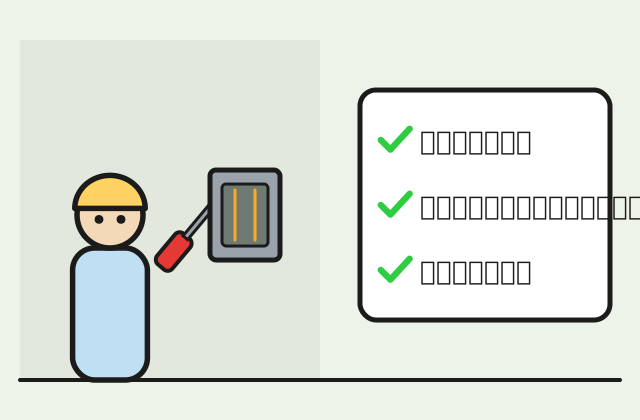
What will an electrician check and fix?
An electrician will isolate that circuit first, then open the faceplate to see how many ants, how much soil or how many dead ants are in the box, whether wires and terminals are damaged, and whether there are burn marks or heat build-up. They then clean it, replace the socket if it is worn, and check other sockets on the same circuit or conduit, because ants often use several points at once.
Ask the electrician where the ants get into the socket box and whether it can be sealed, for example gaps around the conduit at the back of the box, between the faceplate and wall, or unused holes. Sealing must be done with materials suitable for electrical work by someone who knows the system. Do not push putty, glue or silicone into socket holes yourself.
If the electrician finds ants in several sockets or a long conduit, the nest is in the structure of the house. Call a pest control company to deal with the nest at the same time, and make sure both know which parts are electrical and where insecticide can be used, so nothing is sprayed near live terminals.
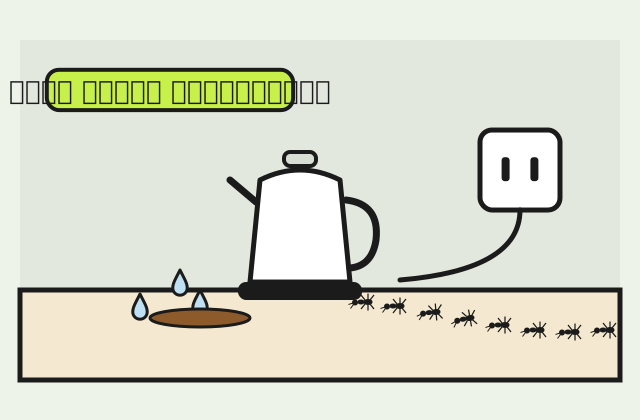
Why do ants love the electric kettle?
Ants like the kettle because it has everything they want: warmth from the base, water drops spilled around it, and coffee, tea, condensed milk or sugar spilled while making drinks and not fully wiped. Under the base and the kettle there are small dark, warm gaps ants can hide in or pass through, especially when the kettle stands against the wall next to a socket.
To deal with it, unplug the kettle and let it cool, then wipe the base, the kettle and the counter around it with a damp cloth as the maker’s manual says. Never wash the base with its contacts in water and never spray the appliance. If many ants have got inside the kettle or base, stop using it and contact the service centre or a repair shop.
Gather sugar, coffee and condensed milk from the drinks corner on one tray, set it on an anti-ant pad with a 5 cm margin, wipe sweet spills after every drink and stand the kettle a little away from the wall. The 30x42 cm anti-ant pad costs ฿148 and has about 20x32 cm of usable space after the margin, enough for the drink jars, but do not put a hot kettle on the pad, as we have no information from the maker on its heat resistance.
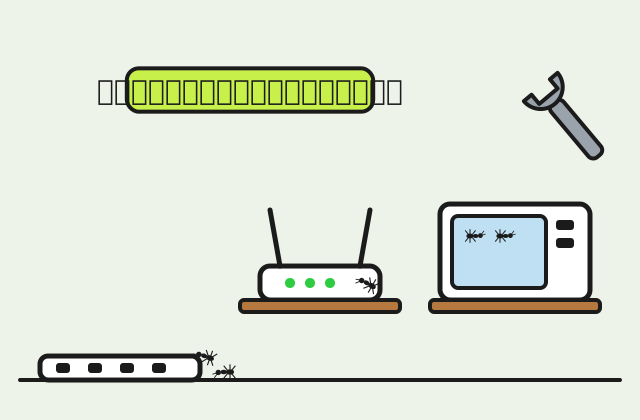
What about power strips and other appliances that ants get into?
Power strips, routers, microwaves, rice cookers, air conditioners and TVs are warm and have vents, so ants get in just as they do with wall sockets. If you see ants in power outlets or in these appliances, switch off, unplug and move any food nearby. Do not open the casing yourself and do not spray into the vents.
A power strip is cheap compared with the risk. If ants are inside, the safest thing is to stop using it and buy a new one. For expensive appliances or those under warranty, contact the brand’s service centre, because opening it yourself may void the warranty and exposes you to electrical danger.
A power strip on the floor in the corner is a spot ants find often, because they already walk the floor-wall joint. Lift it and fix it under the desk or on a shelf that does not touch the wall, and arrange cables so they do not bridge from the floor. If ants are on the computer desk too, see how to tidy cables and the desk in ants on the desk, and if they are inside a device, see ants in a laptop.
How do you stop ants coming back into the outlet?
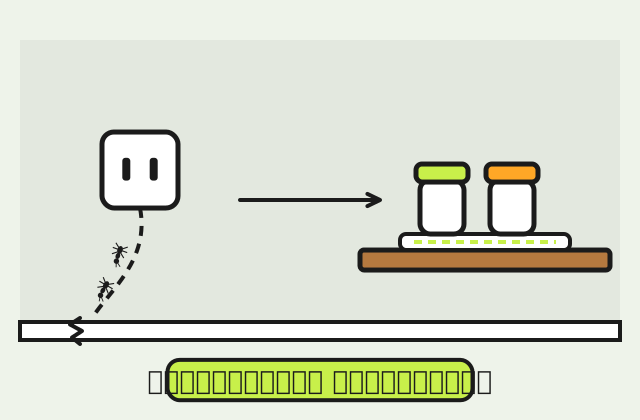
You keep ants out of power outlets by handling three things together: have the electrician seal the gaps ants use to enter the socket box; follow the ant line on the wall and floor to its source and fill cracks along the skirting, window frames and wall joints that are not part of the electrics; and move food away from walls with sockets. Doing only one, ants usually come back the same way or find another socket.
In the kitchen and drinks corner, do not put food against the wall under a socket. Keep it on a tray on an anti-ant pad, or on a table with gel around its legs. Wipe sweet spills on the counter daily and empty the food waste bin before bed. If ants have nothing to find near that wall, the trail past the socket fades on its own.
If you find a nest outside the wall, for example under tiles outside or in a pot plant, ant bait along the trail on the floor away from sockets can reduce ants at the nest. Use it as the label says and keep it away from sockets and cables. Compare each method in how to keep ants away.
When should you call pest control as well?
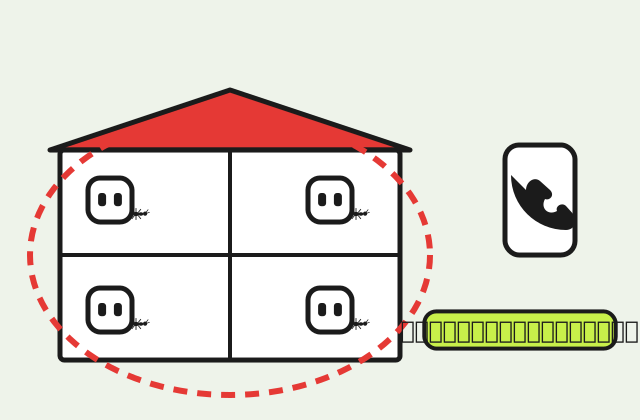
Call them when you find ants in power outlets in several rooms, ants in several sockets in the house, you find ants in light switches or the consumer unit, ants return even after the electrician has cleaned and sealed, or the ants bite painfully like fire ants. These usually mean the nest is in the wall, under the floor or in the ceiling, where you cannot reach and should not use chemicals yourself near the electrics.
When you call, tell the pest control company that the ants are in the electrical system, which points, and what the electrician has already checked. Ask which method and products they will use, how safe they are for children and pets, and whether any circuits need switching off during the work. A company that works properly can answer these before it starts.
If you live in a condo or rented house, tell the building management or landlord first, because the wiring and walls belong to the building. Ants in your unit often connect with neighbouring units or shared service ducts, so fixing one unit alone rarely ends it.
Frequently asked questions about ants in power outlets
Can I keep using a socket that ants get into?
Not until an electrician has checked it, because from outside you cannot tell how many ants or how much soil is inside. Use another socket without ants in the meantime and label it so everyone knows.
Can child safety plugs keep ants out of sockets?
They may reduce the openings on unused sockets, but they do not close gaps around the faceplate or inside the wall and do nothing about the nest. If ants are already going in and out, have an electrician check first; do not just cover up the problem.
Ants in a light switch: same as a socket?
Yes. A light switch connects to the wiring in the wall just like a socket. Do not open it or spray it; have an electrician check it. Meanwhile, find the source on the wall and wipe the part of the trail away from the switch.
Why are there so many dead ants in the socket?
Ants hit by current or heat die in the socket box, and some species release chemicals that call more ants. The build-up of dead ants dirties the terminals and raises the risk of a short circuit. An electrician needs to isolate the power and clean it.
Can I put anti-ant gel around a socket?
It should not go on the faceplate, the switch or around the holes. Use gel on table legs, shelf legs or spots unrelated to the electrics instead. The gaps ants use to get into the socket box should be sealed by an electrician.
Do ants in a socket mean a bad omen?
Some people see it as an omen, but there is no evidence for it. What is certain is that ants in a socket are an electrical risk that needs dealing with, whatever you believe.