Ants in the fridge: why they come, what to clean and when to call a technician
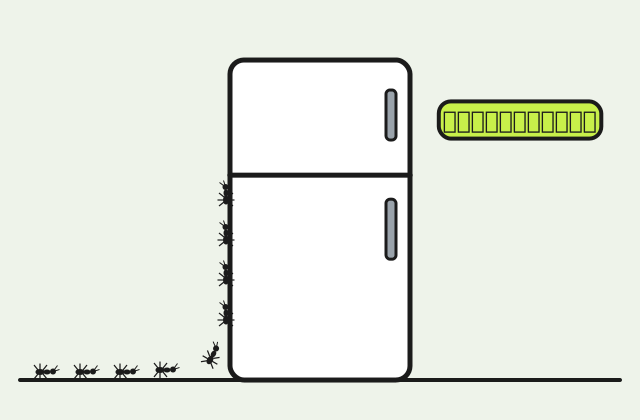
 KAI67 anti-ant pad, large 30x42 cm฿148 · 1 pad · Order via LINE or fill in the form
Order ฿148LINE @814ddrza
Swipe for the next topic · 9 topics
Why are there ants in the fridge?
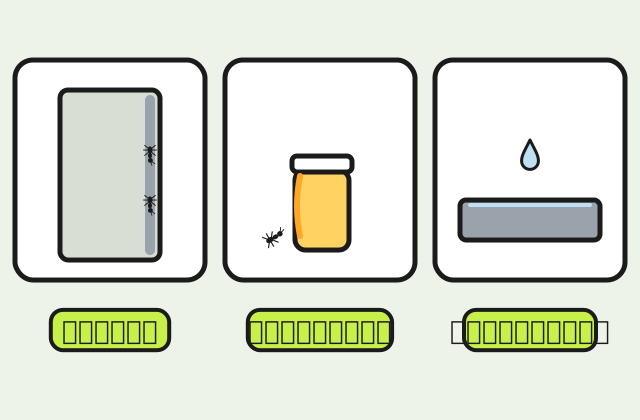
The biggest draw is the door seal. It folds into several ridges, and each time you take out a bottle of syrup, milk or sauce, small drips run into those folds and dry into a sticky film. Most people wipe the shelves but never open up the folds of the seal, so the residue builds up for months.
The second is jars and bottles that are sticky on the outside: honey, condensed milk, syrup, jam and sauces. Placed on the door shelf or on top of the fridge, they leave a trail ants can follow. Ripe fruit left on top of or next to the fridge also gives off a sweet smell.
The third is out of sight: the drip tray many fridges have to catch water from defrosting. It usually sits behind or under the fridge, next to the warm compressor. The water holds bits of food and dust, making it a source of both water and food for ants in one place, together with the crumbs and dust under the fridge that rarely get wiped.

How do you clean the fridge door seal when there are ants?
Keep the door open only as long as you need. Open up the folds of the seal a section at a time and look for ants, residue or mould. Wipe along the folds with a cloth dampened in warm water with a little dish soap; for stubborn residue, scrub gently with a soft toothbrush, then wipe with plain water until no suds remain.
Dry the folds with a clean cloth before closing the door, because water left in them causes mould and smells. Do not pry with anything sharp, do not pull the seal off the door, and do not use bleach or strong solvents. If the fridge manual gives a way to clean the seal, follow it.
Do the same for the door shelves and the salad drawer, taking items out and wiping every mark. Once the seal is clean, ants have no reason to circle the door. Also wipe the ant line all the way from the floor to the fridge to remove the scent trail they have left.
How do you store sweet things in the fridge so ants do not follow?
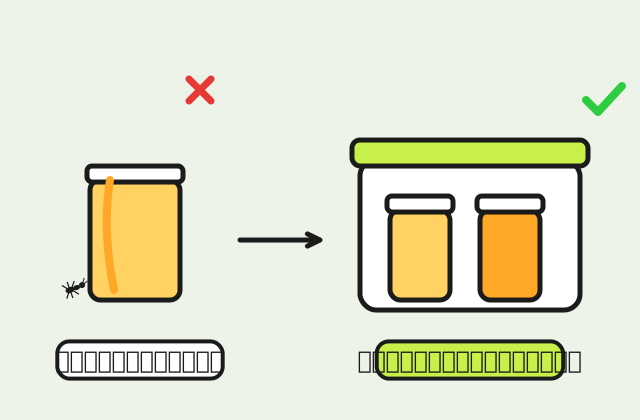
Each time you use honey, syrup, condensed milk or jam, wipe the rim and the bottom of the jar with a damp cloth before closing it and putting it away. Residue on the bottom of a jar is what leads ants from the counter to the shelves inside the fridge, because the jar leaves a mark everywhere it stands.
Keep several sweet jars together in one lidded plastic box in the fridge. If something drips, it drips inside the box, which is easier to wash than the shelf. Put cakes, snacks and cut fruit in lidded boxes every time; do not leave open plates on the shelf.
Sweet things that do not need chilling, such as sugar and some honeys, can move out of the fridge into jars with rubber-sealed lids instead. How to keep sugar free of ants is explained in ants in the sugar jar, and for rice that some households keep in the fridge, see ants in rice.
How far can you clean behind and under the fridge yourself?
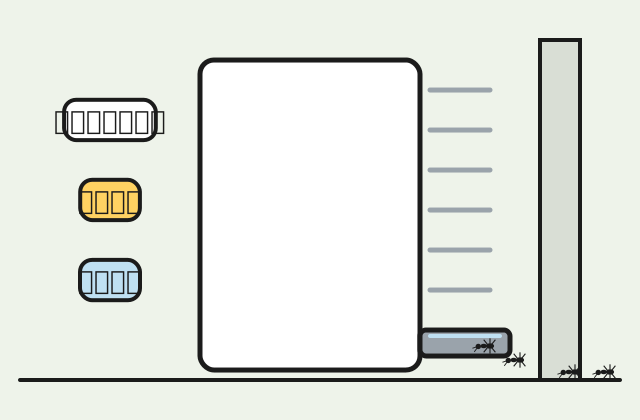
Behind and under the fridge is warm from the compressor and usually has dust, crumbs and water from the drip tray, so ants in the kitchen like to pass or shelter there. What you can do yourself is sweep and wipe the floor around the fridge, its sides and the gap between the fridge and the wall as far as you can reach. If you need to move the fridge, unplug it first and move it carefully without pulling the cable.
Drip trays sit in different places on different models. Some can be pulled out for cleaning as described in the manual; others sit behind a cover held with screws. Check the manual or the maker’s website first to see how your model’s tray should be cleaned. If the manual does not say users can do it, or any part has to be removed, call a technician or the service centre.
Never spray, pour water or sprinkle powder onto the back panel, the vents or the compressor, because these parts carry electricity. If water often pools under the fridge, the drain pipe may be blocked or the tray may leak, which gives ants water all the time; have a technician check it.
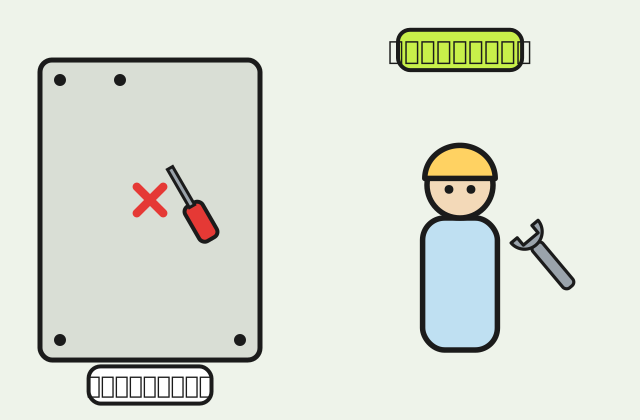
What if ants get inside the fridge body or the control panel?
If ants keep going in and out of the vents, the temperature control panel or the back cover for several days, even after you have cleaned the seal and the floor, they may be inside a part you cannot see. Do not undo screws, remove covers or spray anything in yourself, because there are wires, fans and refrigerant lines inside.
Contact the brand’s service centre or an appliance repair technician, and tell them the model, where you saw the ants and any other symptoms, such as the fridge not cooling, unusual noise or dripping water. This helps them bring the right parts and check the right place. If the fridge is under warranty, using the service centre also protects your warranty.
While you wait, move opened food into lidded boxes and wipe the ant line around the fridge every day. If you notice a burning smell, sparks or the breaker tripping while the fridge runs, stop using it and unplug it when it is safe to do so. The same principle for sockets with ants is explained in ants in power outlets.
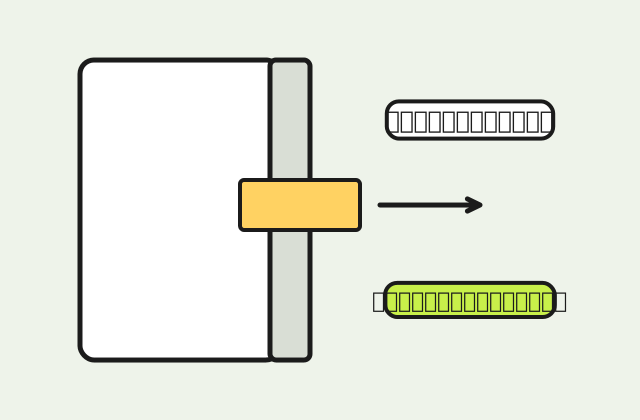
Can a worn door seal let ants in?
A seal that has hardened, torn or no longer closes tightly leaves gaps that make it easier for ants to reach the shelves inside. It also lets cold air leak, makes the fridge work harder and causes condensation around the door, and ants like that moisture too.
A common simple check is to close the door on a thin sheet of paper and slowly pull it out. If it slides out very easily with no resistance, that part of the seal may not be tight. Test several points around the door, and look for tears or dents in the rubber.
If the seal is worn, have a technician or the service centre replace it so it is the right size for the model and fits snugly. In the meantime, keep all sweet things in lidded boxes and wipe the seal more often so there is no residue to draw ants in.
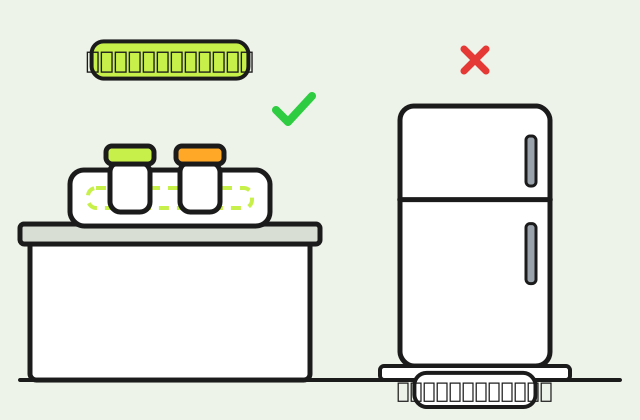
Can an anti-ant pad help with ants in the fridge?
Anti-ant pads are not made to go under a fridge. A fridge is heavy and releases heat from the back and underneath, and the pad maker advises keeping pads away from very hot items and moisture. A pad under the fridge could also block airflow, so we do not recommend it there.
Where a pad really helps is with food kept outside the fridge in the same kitchen, such as the sugar jar, honey bottle, fruit basket and snack tins. If these have no ants, ants have fewer reasons to pass by the fridge. The 30x42 cm anti-ant pad costs ฿148 and holds several jars on one pad, with 5 cm left clear at every edge.
Rinse the pad with plain water and dry it before first use, and wipe crumbs off it every day. If you place it near the fridge, keep it away from the fridge’s heat vents. For other options at spots where a pad will not fit, see the comparison in how to keep ants away.
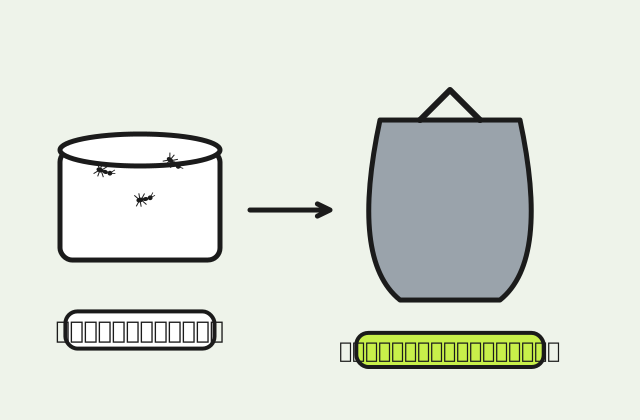
Is food in the fridge still safe after ants got into it?
Food left open that ants have reached, such as cake, snacks, cut fruit and uncovered dishes, is best thrown away for safety, because you do not know where the ants walked before reaching the fridge; some may have come through a bin or a drain.
Items in fully sealed packaging where ants only walked on the outside, such as unopened bottles, unopened cartons of milk or whole fruit with skin, can be washed or wiped on the outside before going back in. If you are not sure whether ants got inside the packaging, throw it away.
Put discarded food in a tied bag and take it to a bin outside the house, not the kitchen bin, or ants will follow it there and start a new problem. Then wipe the shelf where the food was and check the fridge again the next day. If ants keep coming, go back to the sections on the door seal and behind the fridge.
Frequently asked questions about ants in the fridge
Can ants live in the fridge? Don’t they freeze?
Cold slows ants down a lot, so most stay around the door seal and door shelves, which are not as cold as the inside. Ants found deep inside a compartment usually came in with food that was put there.
Why are there ants in a brand-new fridge?
A new fridge has no food residue, so ants mean there is already an ant route in the kitchen, or sweet jars moved from the old fridge are sticky outside. Follow the line to its source and wipe the jars.
Can I spray ant spray around the fridge?
We do not recommend it, because it is close to food and to electrical parts. Wipe the ant line with water and dish soap, clean the seal, and keep sweet things in lidded boxes instead.
Can I apply anti-ant gel to the fridge feet?
The feet sit on a floor that is mopped often and may get water from the drip tray, which is the kind of spot the gel seller advises avoiding. Cleaning and cutting off the routes around the fridge works better there.
How often should I clean the door seal?
Daily while there are ants, until they are gone. After that, once a week along with the door shelves, and straight away whenever something spills.
Should I call pest control for ants in the fridge?
If you have cleaned everything and ants keep coming from the kitchen wall or floor, or appear in many places at home, a licensed pest control company can find and treat the nest. For ants inside the appliance itself, call a fridge technician.