Ants in cat food: what to do, whether your cat can still eat it, and how to set up bowls ants cannot reach
 KAI67 anti-ant pad, large 30x42 cm฿148 · 1 pad · Order via LINE or fill in the form
Order ฿148LINE @814ddrza
Swipe for the next topic · 21 topics
Why do ants get into cat food?
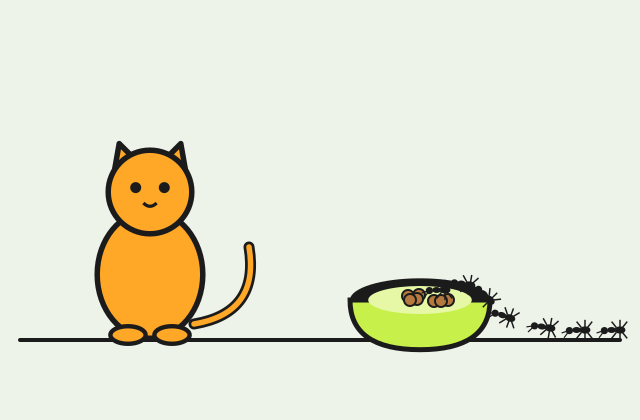
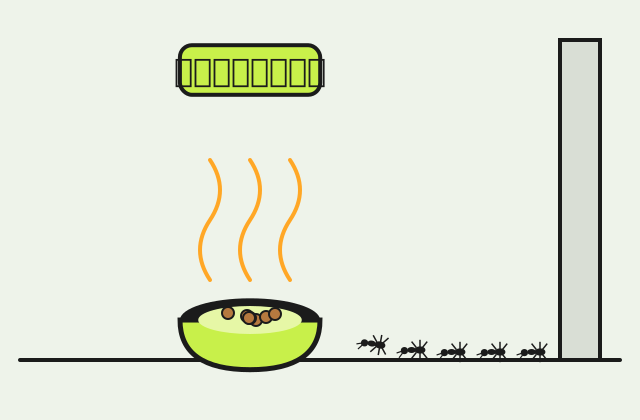
Ants get into cat food because it has everything ants like: fat, protein and a smell that carries a long way. Dry food left in the bowl all day means food is waiting for ants all the time. Wet food draws ants even faster because it is moist and smells stronger. Once the first ant finds the bowl, it leaves a scent trail and others follow in a line within a few hours.
Things get worse with kibble your cat flicks out of the bowl, wet food dried onto the rim, and a food bag clipped shut next to the bowl. Ants do not even need to reach the bowl to find food, so the line stays even if you wash the bowl daily. If the feeding spot is against a wall or near a balcony door, ants from outside have only a short walk to the bowl.
The scent trail ants leave is a chemical of the kind known as a pheromone. That is why you need to wipe the floor along the ant route every time, not just wash the bowl.
You see ants in the cat food: what should you do right away?
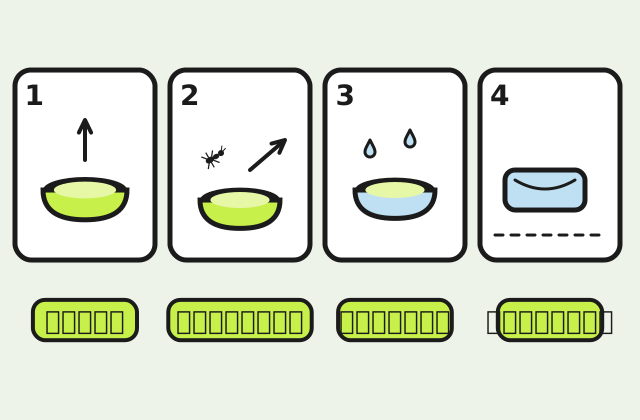
When you see ants in cat food, do four things in order. One, lift the bowl away before your cat eats. Two, throw out the food with ants in it, or tip it onto a tray so the ants walk off. Three, wash the bowl with dish soap and dry it. Four, wipe the floor along the ant route with a cloth dampened in water and a little dish soap, all the way to the end, then put the bowl back.
Step four matters most and is the one people skip most. If you only wipe around the bowl, the scent left on the floor brings a new group of ants back to the same spot the same day. Follow the ant line back to the floor joint, door edge or wall and wipe the whole route. If you cannot find where it starts, see how to track ants in ants in the house.
While you clean, give your cat a spare bowl in another room. Do not use strong-smelling floor cleaner or insecticide spray where your cat eats, because cats walk across it and then lick their paws.
Can your cat still eat food that ants got into?
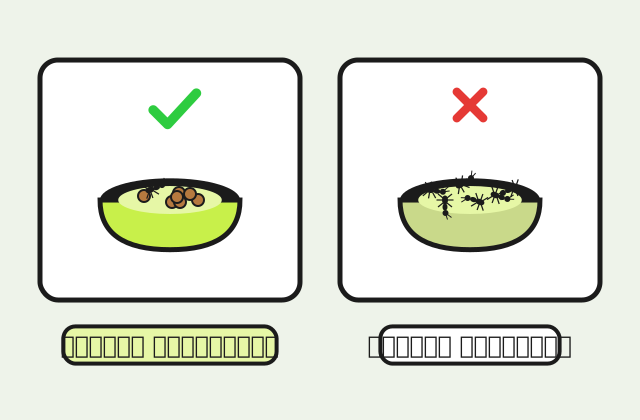
With ants in cat food, it depends on how many ants there are and what kind of food it is. With dry kibble and only a few ants on top, many owners tip it onto a tray so the ants leave and then use it. But if there are lots of ants, dead ants mixed through, food clumped from damp, or wet food that has already been left out, throw it all away. Ants walk over floors, bins and drains before reaching the bowl, and wet food left out spoils easily anyway.
Another case where food must go is any food that has been sprayed with insecticide, whether sprayed onto the ants in the bowl or sprayed nearby so the mist drifted over. We cannot know how much residue is left, and the risk is not worth one meal.
If your cat has already eaten food with ants in it and shows anything unusual, such as vomiting, heavy drooling, a swollen mouth, pawing at its face non-stop or unusual lethargy, take it to a vet and say it may have eaten ants or some chemical. This article is not a veterinary diagnosis.
Ants in cat food bags: how should you store the food?
A cat food bag folded and clipped cannot keep small ants out, because the folds leave gaps they can squeeze through. The better way is to put the whole bag into a bin or box whose lid has a rubber seal all round, and stand it on a shelf or an anti-ant pad, not on the floor against a wall. Keeping the whole bag means you still have the label, expiry date and batch number if you need to contact the maker.
If you pour food straight from the bag into the bin, wash the bin and dry it completely before each new bag. Crumbs and oil left at the bottom go rancid and attract ants. Portioning food into small zip bags for each week also means you open the big bin less often.
For a bag ants have already got into, check whether they are only in the top part or throughout. If only at the top and the food is still dry, remove the part with ants and move the rest into a sealed container. If ants are throughout or the food is damp, throw it away and clean the storage spot before putting a new bag there.
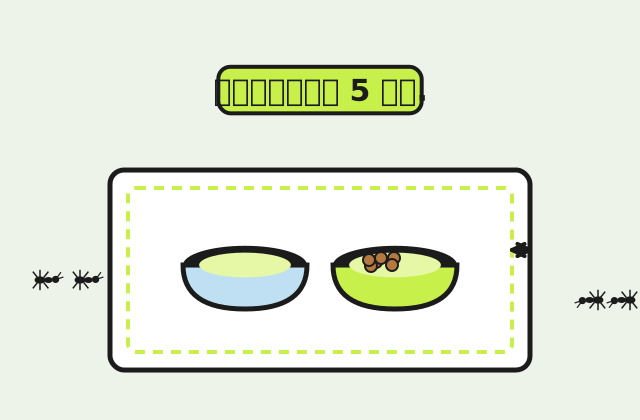
How do you place the cat bowl so ants cannot get into cat food?
Place the bowl on something ants cannot cross and leave enough room that they have no way round. On an anti-ant pad, the bowl sits in the middle at least 5 cm from every edge. The bowl must not touch a wall, and no cloth, cable or cat toy should reach from the floor to the bowl. Wipe food off the pad every day, or ants will come for the crumbs at the edge instead.
Choose the pad size by the number of bowls. For a water bowl next to a food bowl, the 30x42 cm anti-ant pad at ฿148 fits two bowls up to 16 cm across while keeping a 5 cm margin. For a single bowl up to 14 cm, there is the 24x32 cm pad for one cat bowl at ฿140, currently out of stock.
Before first use, rinse the pad with plain water and dry it. The manufacturer states results within 24 to 72 hours, so during this time do not move the bowl or pad around. The full steps for placing and caring for the pad are in how to use an anti-ant pad.
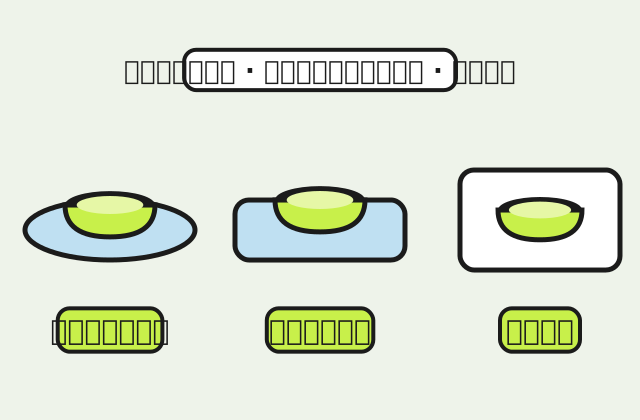
How do moat bowls, water trays and anti-ant pads differ?
All three stop ants on the same principle, cutting the route before the bowl, but the upkeep differs. A bowl with a water moat round the base works immediately but needs topping up daily. A water tray under the bowl uses things you already have, but spills easily, breeds mosquitoes, and dust, cat hair or crumbs floating on it become bridges. An anti-ant pad needs no water, but needs a clear margin and cleaning, and it may take a few days before ants give up.
If you need results tonight, a water tray or moat bowl is faster. If you want something you put down and do not have to fuss over daily, a pad is easier. Many homes use a water tray alongside the pad in the first week, then take the tray away once ants stop coming.
Some cats dislike a bowl with water round the base, or play in the tray until the floor is soaked, so a pad suits them better. For cats that like lying on the pad or flicking food out of the bowl, use a larger pad or a high-sided bowl so crumbs still land well away from the edge.
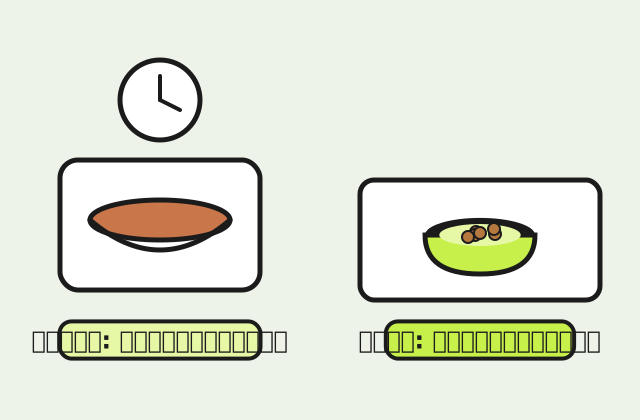
Wet or dry: do they need different protection against ants in cat food?
The difference is how long the bowl stays out. Wet food attracts ants faster and spoils sooner, so serve it as meals and remove leftovers when your cat has finished. How long it can stay out should come from the food label and your vet. Dry food that is left out all day depends on the bowl sitting on an anti-ant pad or in a moat bowl, and on topping up small amounts rather than filling the bowl.
Wet food dried on the rim attracts ants even when the bowl is empty. Soak the bowl in warm water with dish soap and scrub the rim every time. Opened cans or pouches of wet food should be closed and stored as the label says, and most labels say to refrigerate.
If you give both types on the same day, keep the wet food dish apart from the dry food corner, or feed wet food when someone is home to clear it straight away, so no wet food residue draws extra ants to the dry food corner.
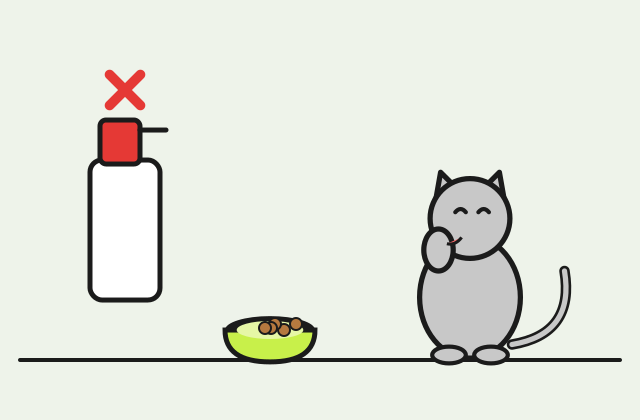
Can you use ant spray or insecticide near the cat bowl?
It should not be used near the cat bowl or anywhere your cat regularly walks. Cats clean themselves by licking their fur and paws, so residue on the floor reaches a cat’s mouth much more easily than a person’s. If you do need an ant product in the house, read the label about pets first, use it only where your cat cannot reach, and remove bowls and food before using it.
Products labelled pet-safe must still be used under the conditions on the label, because safe usually means when used correctly and allowed to dry for the stated time. Homes with several cats, kittens or sick cats should ask a vet before using any chemical in rooms the cats use.
The safer route for the feeding corner is no chemicals at all: wipe the ant trail, seal the food, and protect bowls with a pad or water moat. For the safety of anti-ant pads with cats, and what we are still waiting on from the manufacturer, see is an anti-ant pad safe.
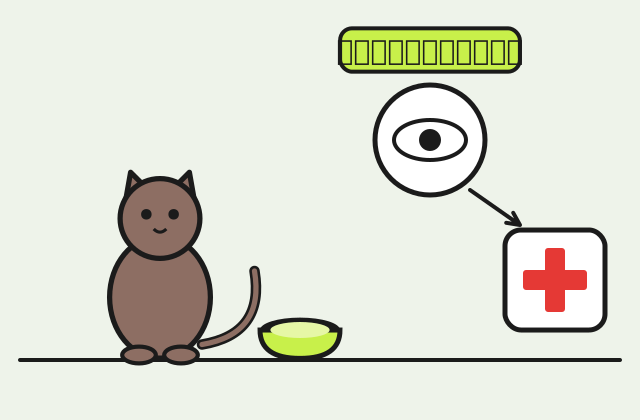
Your cat ate ants in cat food: is it dangerous?
A cat that eats a few ants with its food usually shows no symptoms, but that does not mean it is safe in every case. Some ants, such as fire ants, can bite or sting inside the mouth and cause swelling or pain, and ants that walked through a chemical may carry it with them. Keep an eye on your cat that day, and if anything seems wrong, see a vet straight away.
Signs that mean a vet visit include repeated vomiting, heavy drooling, a swollen mouth or face, pawing at the face or mouth non-stop, difficulty breathing, refusing food or unusual lethargy. Tell the vet what kind of ants you saw in the bowl and whether any insecticide was used in the house recently. That information helps a lot.
If you see orange-red biting ants around the feeding spot, move the bowl somewhere else at once, and deal with the nest around the house using a pet-safe approach as directed on the product label or by a pest control company.
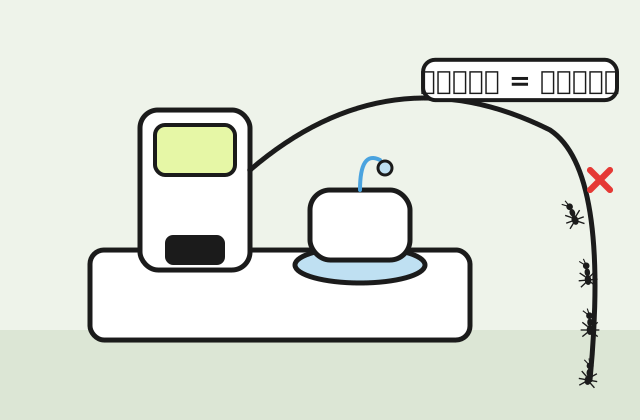
What should you do about ants in an automatic feeder or cat fountain?
Automatic feeders have different weak spots from a plain bowl: the dispensing chute where crumbs collect, and the power cable from the socket to the feeder, which ants use as a bridge over the pad. Place the feeder on the pad away from the edge, route the cable so it hangs clear or does not touch the pad, and remove the food tray to wash it regularly as the feeder’s manual says.
Cat fountains attract ants looking for water, especially in the hot season, and food your cat drops into the water adds smell. Clean the fountain and change the water as the manual says. Never spray electrical devices, and if ants get inside, unplug before cleaning every time.
If ants get deep into the unit near the circuit board, do not pour water or blow hot air into it. Contact the seller or that brand’s service centre, because every model comes apart differently. Detailed cleaning, cable routing and pad setup are in ants in an automatic cat feeder.
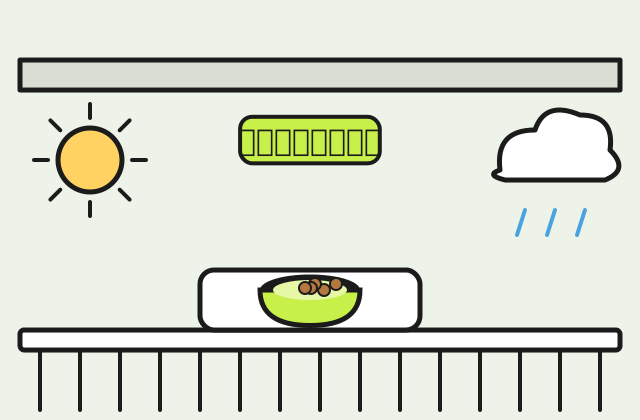
What can you do about ants in cat food on the balcony or for strays outside?
There are far more ants outdoors than indoors, so for stray cats or outdoor cats, feed at set times instead of leaving food out all day. Wait for the cats to finish, take the bowl in and wipe up around the spot. If you use an anti-ant pad outside, put it under the eaves out of direct sun and rain, because sun and standing water wear the surface faster than the manufacturer states.
Outdoor feeding spots should not be next to pot plants, lawns or tree bases, because ant nests are often in the soil nearby. On a condo balcony, keep the bowl away from the railing and walls ants climb, and check the sliding door track between balcony and room, because ants that come for the cat food may follow the scent into the room.
If water has to stay out all day, change it daily and wash the water bowl too. Water with food bits in it draws more ants than clean water. For an overview of every way to keep ants out, indoors and outdoors, see how to keep ants away.
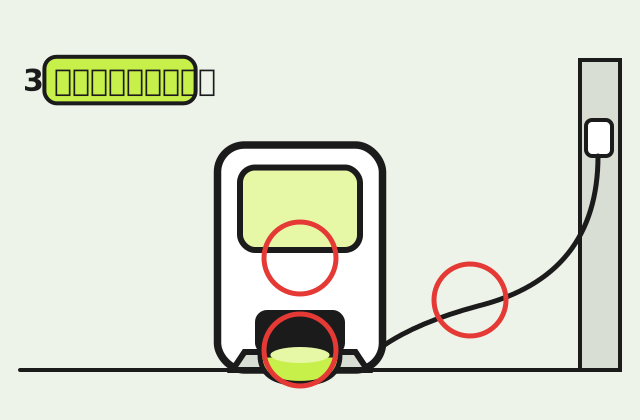
Why do you get ants in an automatic cat feeder?
Automatic feeders have three spots ants love. First, the food tray, which holds kibble all day. Second, the dispensing chute, where dust and oil from the kibble cling inside and cannot be reached without removing parts. Third, the power or charging cable running from a wall socket down to the floor and into the feeder. Ants walking along the wall use this cable to climb straight up to the feeder.
Another reason is that feeders often stay in the same corner for months and are rarely lifted to clean underneath. Kibble the cat flicks out of the tray builds up under the base and around the feeder, becoming food waiting for ants right there. The body of the feeder, slightly warm from the electronics, may also be a place ants like to get into.
Feeders with a timed wet-food tray, or feeders placed next to a cat water fountain, draw ants faster than dry-food-only feeders, because moisture and strong smells sit in the same spot.
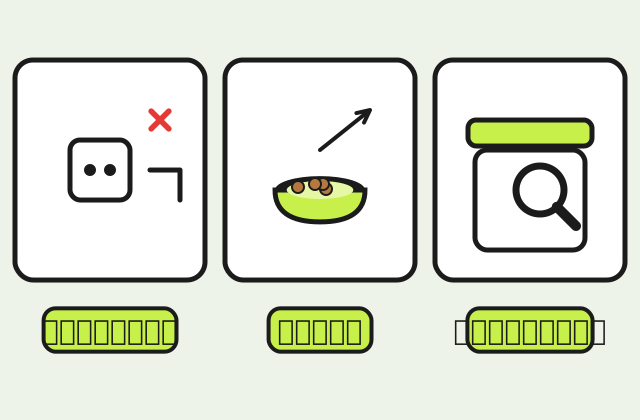
You see ants in the cat feeder: what do you do first?
First, unplug it or remove the batteries as the manual says before touching any part. Then give your cat a spare bowl in another room, empty the food tray, open the hopper lid to see whether ants are in the hopper or only in the tray and chute, and lift the feeder away to wipe the floor under the base and along the ant route.
Never spray insecticide into or around the feeder. Besides leaving residue where your cat eats, the mist can get into vents or buttons. Never pour water into a body with a motor or circuit board, and never use a hair dryer to blow hot air to drive ants out.
While the feeder is lifted away, follow the ant line on the floor back to its source. If the line comes from a wall socket, do not open the socket yourself; have an electrician check it. If it comes from a door frame or floor joint, wipe the whole route with water and dish soap.
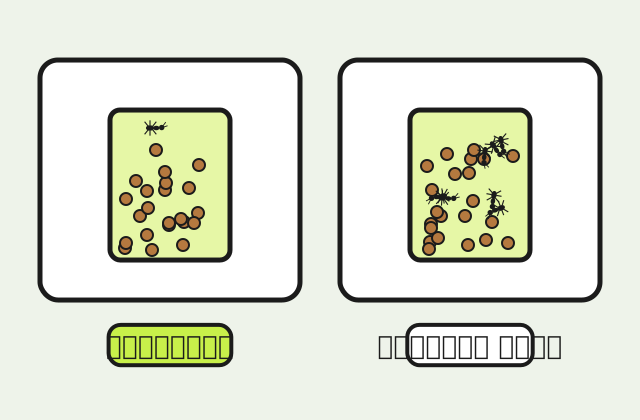
Is the food in the hopper still OK after ants got into the automatic cat feeder?
If ants were only in the tray and chute and the food in the hopper above is still dry with no ants, you can usually keep using it once the tray and chute are cleaned. But if ants got into the hopper, with ants or dead ants mixed through, clumped food or an odd smell, empty the whole hopper and wash it before adding new food.
Food that has had spray or insecticide on it in any way must all be thrown out without hesitation, because the feeder will serve it to your cat meal by meal while you are not watching. If your cat has eaten from a feeder with ants and shows anything unusual, such as vomiting, heavy drooling, a swollen mouth or lethargy, see a vet.
To limit losses next time, fill the hopper with only a few days’ worth instead of filling it to the top. The food stays fresher, and if ants get in again you lose less. Store the rest of the bag in a separate rubber-sealed container.
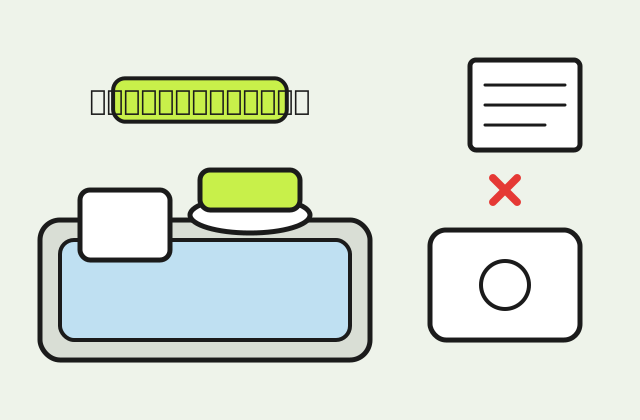
How do you clean the feeder without damaging it?
Check the manual for your model first, because every brand comes apart differently. Generally the washable parts are the food tray, the hopper lid and the removable hopper. The base containing the motor, circuit board or power socket must never be submerged or rinsed under the tap; wipe it with a well-wrung damp cloth instead.
Wash the parts with mild dish soap, use a small brush to scrub inside the chute where oily dust clings, and let everything dry completely before reassembling. If you reassemble while damp, kibble sticks to the hopper walls and chute and clogs it, and leftover moisture brings ants back sooner.
Follow the manual for how often to clean, but while you have an ant problem, wipe the tray daily and clean the chute more often than usual until the ants stop coming. After each clean, check every part clicks back into place, because loosely fitted parts can make the feeder dispense wrongly.
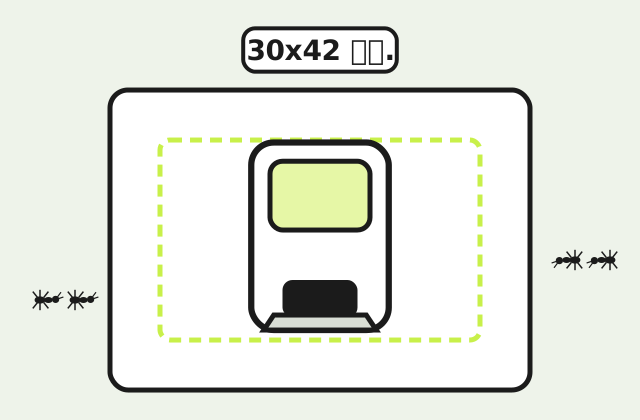
Can you put the feeder on an anti-ant pad, and what do you need to measure?
Yes, if the base is small enough to leave 5 cm of pad on every side. The 30x42 cm anti-ant pad costs ฿148 and has about 20x32 cm of usable space after the margin. Measure the width and depth of the feeder base before ordering, including the food tray that sticks out at the front. If the base is bigger, the margin will be too small and ants will reach the feeder.
The 30x42 pad product page shows a real customer photo from Shopee of an automatic feeder on the pad, which shows this setup works, but every model is a different size, so always measure your own. Before placing it, rinse the pad with plain water, dry it, and centre the feeder on it. Full pad care steps are in how to use an anti-ant pad.
Kibble the cat flicks out of the tray must not be left at the pad edge. If your cat flicks food a lot, turn the feeder so the tray faces the middle of the pad as much as possible, and wipe the pad daily. The pad maker states results within 24 to 72 hours, so do not move the feeder around at first.
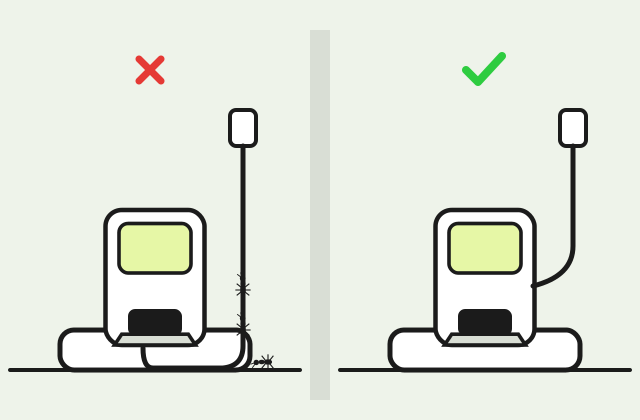
How does the power cable let ants cross the pad, and how should you route it?
A cable lying on the floor and draped over the pad edge into the feeder acts as a bridge, so ants walk from the floor up to the feeder without ever touching the pad surface. This is the most common reason ants still reach a feeder standing on a pad. The fix is routing the cable so that no part touches both the floor and the feeder where ants can walk.
An easy way is to fix the cable to the wall with cable clips, off the floor, and bring it down into the back of the feeder by the shortest path, or use a socket close enough that the cable does not trail on the floor. Never tape or apply anything to the plug or socket, and never use a cable with cracked insulation or a home-made join.
Other things can also act as bridges: cloth or rugs whose edges touch the pad, a wall the feeder leans on, and cat toys lying across the pad edge. Check around the feeder every time you clean. If you want gel as an extra barrier, apply it to the legs of the table or shelf the feeder stands on, not to the cable or the feeder.
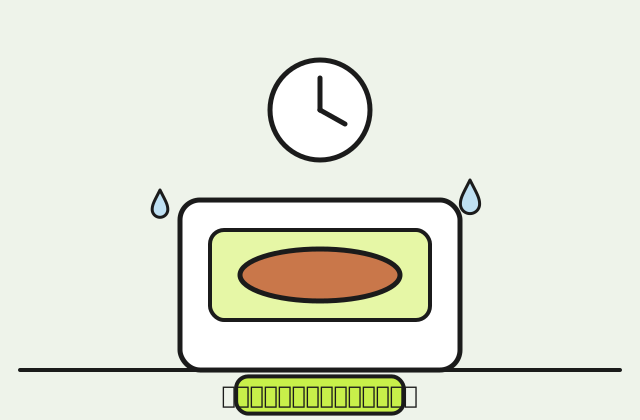
Do timed wet-food feeders need more care with ants?
They need more care, because wet food is moist and smells strong, so ants find it faster than kibble, and food waiting in a tray for hours before its opening time spoils easily anyway. Check the manual to see whether the wet-food compartment is cooled and how long food can be held. If that is not clear, set the shortest delay you can.
After your cat has eaten, wash the wet-food tray every meal and never add new food on top of old residue. Wet food dried on the tray rim attracts ants even when the tray is empty. How long wet food can be left out should come from the food label and your vet.
If you use both a dry feeder and a wet feeder, place them in different spots or on separate pads, so wet food residue does not draw ants to the dry feeder too.
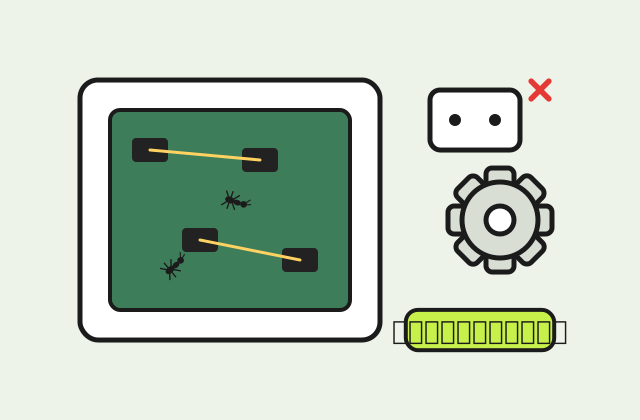
What if ants get inside the feeder body or circuit board?
If you see ants in the motor compartment, battery compartment or on the circuit board, unplug it and remove the batteries at once, then contact the seller or the brand’s service centre. Do not open covers the manual does not tell you to remove, as this may void the warranty, and never spray, pour water or blow hot air into the unit.
While you wait, put the feeder in a bag or box that closes, away from the feeding spot, and feed your cat from an ordinary bowl on an anti-ant pad for now. If the feeder is under warranty, take photos of the ants inside as evidence for the seller.
The same approach applies to other electrical devices ants get into, such as laptops or keyboards. See an example of safe steps in ants in the laptop.
How should you set meal times and portions so fewer ants come?
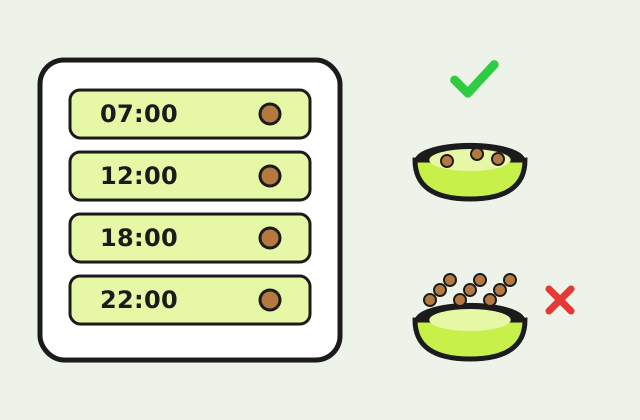
Set the feeder to dispense small meals at times your cat actually eats, rather than one large portion that sits in the tray all day. Less food left in the tray means less food waiting for ants. Your cat’s daily amount should come from the food label and your vet; do not cut your cat’s food to keep ants away. Splitting meals like this helps stop ants returning to an automatic cat feeder better than filling the tray once.
Watch for 2 to 3 days whether your cat finishes each meal. If food is regularly left in the tray, adjust the times or split the meals differently, and wipe the tray every evening. Feeders with a camera or app let you check for leftovers or ants at the tray without being home.
Once the ants have stopped coming, keep up the routine: wipe the tray daily, clean the chute as the manual says, lift the feeder to wipe under the base weekly, and check the cable has not crept back across the pad. Ants usually return when these routines stop.
Frequently asked questions about ants in cat food
Can I draw a chalk line around the cat bowl to stop ants?
We do not recommend it around a cat bowl, because chalk dust sticks to paws and cats lick it off, and some ant chalks contain insecticide. If you use it indoors at all, read the label, use it only where your cat cannot reach, and never near food.
I put down an anti-ant pad; why are ants still in the cat food?
The usual causes are the bowl too close to the pad edge, food crumbs on the pad, a cable or cloth reaching the bowl, or the pad has been down less than 3 days. Move the bowl to the middle, clean the pad, remove bridges, and wait without moving the pad.
Is it dangerous if my cat licks the anti-ant pad?
We have not yet received the surface coating document from the manufacturer, so we cannot confirm. Keep the bowl in the middle of the pad, wipe food off daily and do not let your cat lick the pad regularly. If your cat seems unwell after licking it, see a vet.
If I move the cat bowl somewhere new, will the ants follow?
They can, if the new spot is within their foraging range and has food crumbs. Moving helps for a while, but you should also wipe the old trail and protect the bowl in the new spot, or ants will set up a new route within days.
Can I keep cat food in the fridge to keep ants out?
Most labels already say to refrigerate opened wet food. Dry food does not need it, because fridge humidity can soften the kibble. Store it in a rubber-sealed container at room temperature as the label says.
Does the same approach work for ants in dog food?
The principle is the same: seal the food, wipe the ant trail and protect the bowl. Dog bowls are often bigger, so a bowl over 16 cm may need a larger pad or one bowl per pad to keep the 5 cm margin.
Which kind of automatic cat feeder is hardest for ants to get into?
We have not tested individual brands, so we cannot say which model is best. The things to look for are a hopper lid that closes tightly, a removable, washable chute, and a base small enough to sit on an anti-ant pad with a 5 cm margin.
Can I put anti-ant gel on the feeder’s power cable?
We do not recommend applying it to the cable, plug or feeder. Route the cable so it is not a bridge instead. If the feeder stands on a table or shelf, apply a full ring of gel to the table or shelf legs. We have also not yet received the gel ingredient document from the distributor.
Can I stand the feeder in a tray of water?
Electrical devices should not stand in water trays, because water can splash into the electrics or wet the base. If you want a water barrier, put cups of water under the legs of the table the feeder stands on, keeping the feeder on a dry table top.
Ants are in the cat fountain next to the feeder: what should I do?
Clean the fountain and change the water as the manual says, stand it on an anti-ant pad away from the edge, and route its cable off the pad just like the feeder. Never use spray on electrical devices, and unplug before every clean.
If I move the automatic cat feeder somewhere new, will my cat find it?
Most cats find it, but some need time to adjust. At first, keep the old bowl near the new spot, and if your cat refuses to eat for an unusually long time, ask a vet. Before moving, wipe the ant route at the old spot completely too.