What is an anti-ant pad? How does it work, what is it made of, and why won't ants cross it?
 KAI67 anti-ant pad, large 30x42 cm฿148 · 1 pad · Order via LINE or fill in the form
Order ฿148LINE @814ddrza
Swipe for the next topic · 9 topics
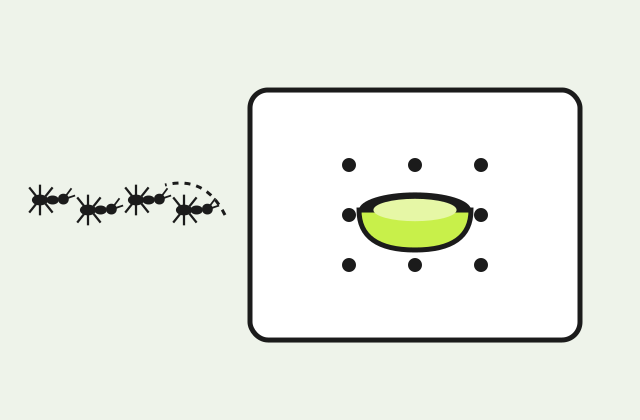
What is an anti-ant pad? In short, it's a hard plastic sheet about the size of A3 paper with a surface coating that ants won't walk across. You put it under pet food bowls, sugar jars or bins, so whatever sits in the middle of the pad stays ant-free without adding water or spraying anything.
This article explains how the pad works, what it's made of, what the word "nano" that shops like to use actually means, how the pad differs from older ways of keeping ants out, and what limits shops often don't mention — so you can decide whether your home should use one.
How does an anti-ant pad work?
An anti-ant pad works by "cutting off the path", not by baiting ants or killing them at the nest. The surface of the pad is coated with a substance that makes ants feel unsafe when they touch it, so they stop, turn back or walk along the edge of the pad instead of crossing to the food in the middle. As a result, whatever is on the pad stays ant-free as long as the ants have no other way to reach it.
Each manufacturer explains the mechanism a little differently. Some say ants that walk on the pad surface for about 30 minutes become paralysed; others simply say the surface is "unpleasant to walk on" for ants. What they all agree on is that the effect isn't instant like a spray — it becomes clear within 1–10 days, because the ants have to learn that their old route no longer leads to food.
What are anti-ant pads made of?
Anti-ant pads commonly sold in Thailand are hard plastic sheets. Some manufacturers say they're ABS plastic a few millimetres thick. The surface has an ant-repellent substance embedded in the coating layer rather than painted on top where it would easily rub off, so you can wipe it with a damp cloth and cut it into pieces and the surface still works. The coating substance varies by manufacturer: some say it's an extract from chrysanthemum-family plants, others name a synthetic pyrethroid compound. Buyers should check each brand's documents and not trust "100% natural" claims without evidence.
For KAI67 anti-ant pads, we will list the name of the surface coating substance, the registration number and the manufacturer on the product page once we have received all the documents. That's why we don't say yet what substance it is — our rule is not to write anything we can't prove.
What is a nano anti-ant pad, and is it different from a regular one?
When shops use "nano" in a product name, it mostly refers to coating the substance as very fine particles embedded in the pad surface, so it spreads evenly across the surface and lasts longer. It doesn't mean a different type of technology. So a pad labelled nano and one that isn't are often the same kind of pad; the difference is marketing. What's actually worth comparing is the size, the lifespan stated by the manufacturer, and certification documents.
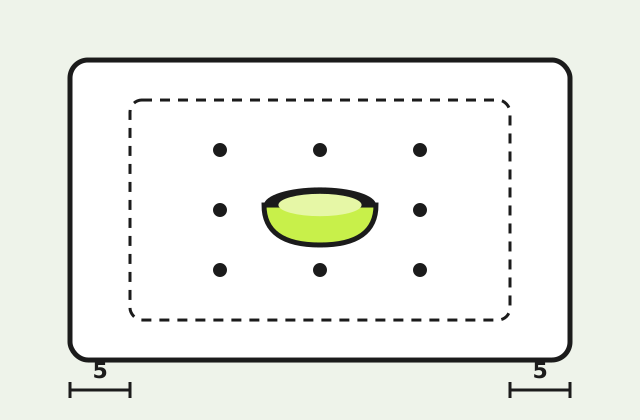
Why don't ants cross the pad, and why do they sometimes still get up?
Ants don't cross because the pad surface makes them stop. But ants can still "get up" when they don't have to step on the pad at all — for example, the bowl is so close to the edge that ants can climb from the floor straight onto it, there's a cloth or power cord running from the floor to an item on the pad, or there are food crumbs at the edge of the pad that ants can eat without going to the middle. None of these three cases means the pad has worn out; it's the placement that gives the ants a way in.
Another case is the first 1–3 days, when ants still remember their old path. They'll wander around the pad looking for a way in, which makes it look like the pad isn't working. During this time, be patient and keep the pad clean. Read the causes in detail at do anti-ant pads work, and why do ants still get in
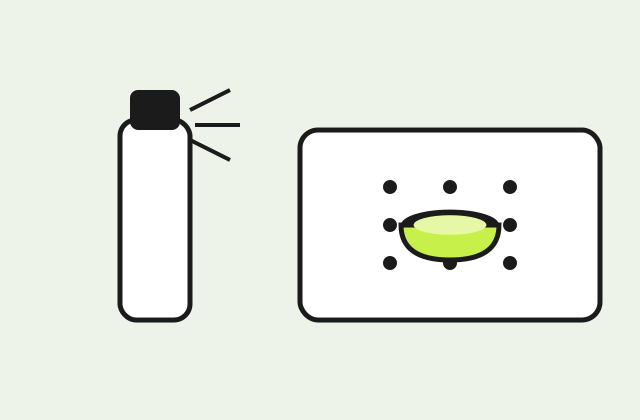
How are anti-ant pads different from water trays, chalk and sprays?
A water tray uses water as a barrier. It definitely works as long as there's water in it, but you have to top it up every day, mosquitoes lay eggs in it, and cats like to play with the water. Ant chalk works by drawing a line of chemical on the floor. It works fast, but the line fades when swept or mopped and shouldn't be used near pet food. Spray kills the ants you can see right away, but you have to keep spraying, it smells, and it must not be used near food bowls. An anti-ant pad is the lowest-maintenance option: put it down and wipe it now and then, in exchange for a higher upfront price and waiting several days for results. A detailed comparison of every method is in how to keep ants away.
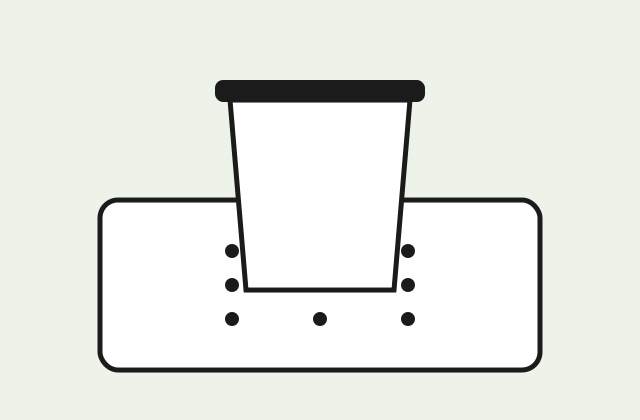
What can anti-ant pads be used for?
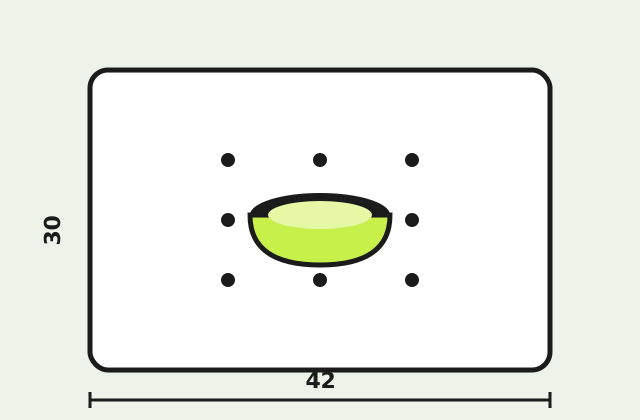
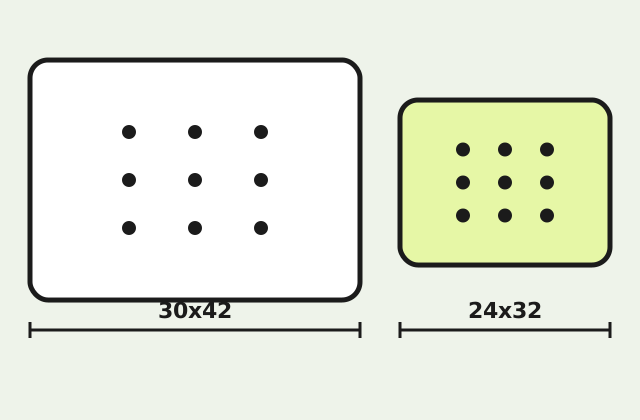
They work for anything that sits on a flat surface and attracts ants. The most common use is under cat and dog food bowls, followed by sugar jars, honey, condiments, rice cookers, hot water flasks, coffee makers, kitchen bins, and under hamster or bird cages. The small 24x32 cm size is enough for one bowl; the 30x42 cm size is for 2 bowls or several items.
What the pad can't do is stop ants that get into cabinets from the wall, onto tables via the table legs, or ants nesting under plant pots. For those cases you need anti-ant table leg cups or to deal with the ants' trail and nest.
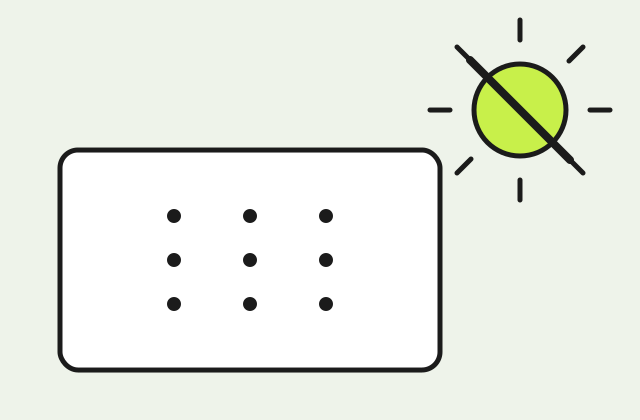
How long do anti-ant pads last?
Most makers of hard pads on the Thai market state a lifespan of 1–2 years, and some say up to 2–3 years. This depends on 3 things: keeping it out of direct sunlight, avoiding heat from very hot items left on it for a long time, and not letting the pad stay wet for long. With normal indoor use and wiping it dry every time, a pad usually lasts as long as stated. KAI67 will give the figure for our own product once we receive the documents from the manufacturer.
Should I buy an anti-ant pad, and what kind of home is it for?
Buy one if ants regularly get into your pet bowls or kitchen items and you don't want to keep topping up water or spraying near food. It's not worth it if ants only show up a few times a year — a water tray or chalk is enough — and it's not suitable if the ants are going for something that doesn't sit on a flat surface. If you decide to buy, see how to choose a size and prices on the KAI67 anti-ant pads page, and how to choose a brand at which anti-ant pad brand is best
Anti-ant pad FAQ: what is it?
Is an anti-ant pad different from an anti-ant mat?
They're the same product, just named differently by different shops. "Anti-ant mat" stresses that it goes underneath things, while "anti-ant pad" is the shorter term more people search for.
Do anti-ant pads kill ants?
Some manufacturers say ants that stay on the pad surface for a long time become paralysed, but in real use most ants stop at the edge and turn back first. So the pad works more as a barrier than a killer, and it doesn't reduce the number of ants in the nest.
Do anti-ant pads have a smell?
Typical hard pads have no smell that people can notice, unlike some brands of spray and chalk.
Do anti-ant pads work on termites or cockroaches?
Some shops say they do, but KAI67 can't confirm this because we haven't tested it ourselves. The pad is mainly designed for ants that climb up from the floor.
When should an anti-ant pad be replaced?
When ants start crossing the pad even though it's clean and the item is correctly placed in the middle, or when it reaches the lifespan stated by the manufacturer, whichever comes first.